
When prices and bills compete for attention, “spend less” can sound less like advice and more like a scolding. A better first step is to understand the pattern: what arrives every month, what changes week to week, and which expenses tend to catch you by surprise.
An everyday story
Jamie’s story: the budget looked fine—until real life happened
Jamie had a rough monthly budget saved in a notes app. Rent, phone bill, groceries. It looked manageable on the first day of the month. Then the car needed attention, a subscription renewed, and a grocery trip for “just a few things” cost more than expected.
Jamie assumed the problem was a lack of discipline. But when the last month of transactions was reviewed, a different picture appeared: several small recurring charges, irregular expenses that weren’t planned for, and grocery trips made without checking what was already at home.
The first win wasn’t spending less. It was finally seeing where the money was going.
Jamie started with a simple weekly check-in: list upcoming bills, glance at recent spending, plan a few meals, and choose one expense to review. It didn’t make every cost disappear. It made the next decision less mysterious.
This story reflects a common experience. Names and details are generalized; costs and results differ by household.
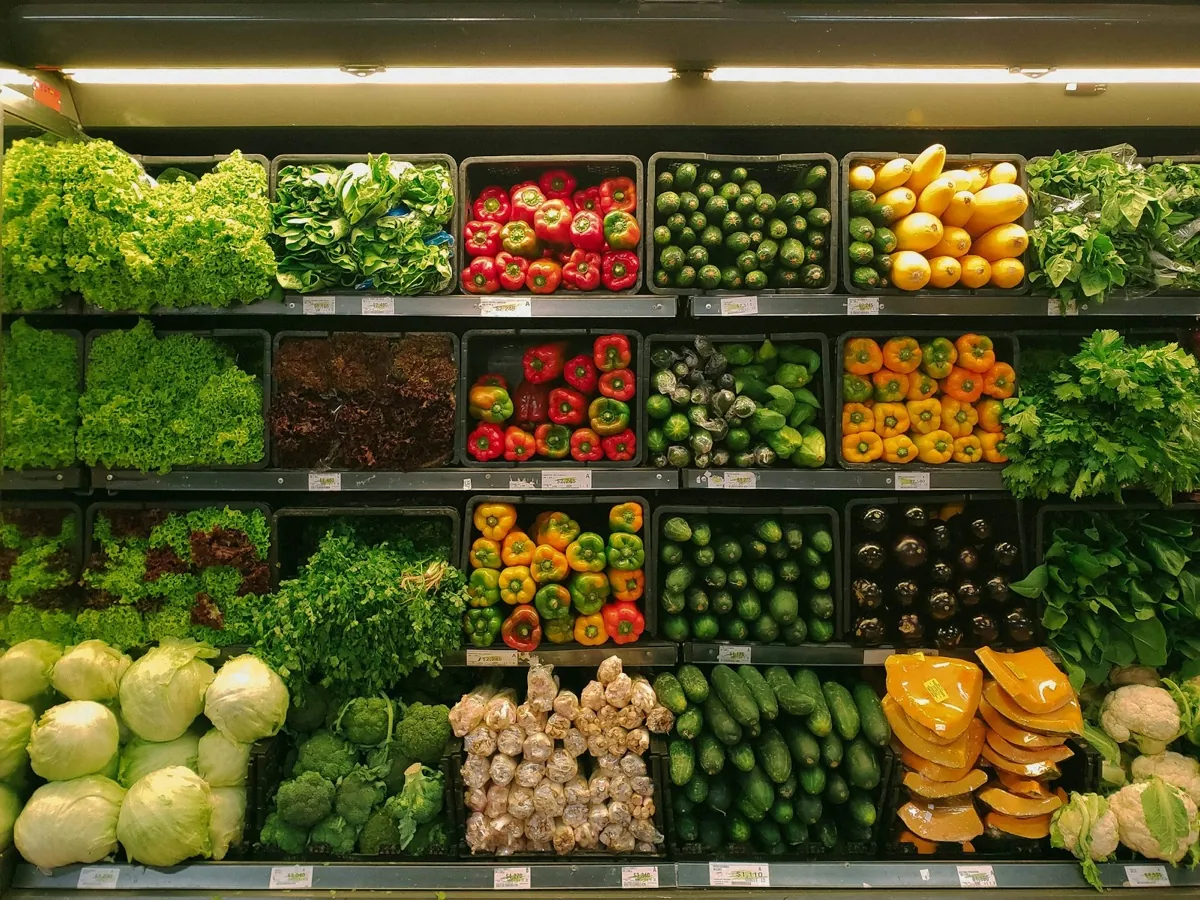
A short meal plan and a quick pantry check can make a grocery trip more intentional. Image: Unsplash, illustrative.
A useful starting point from a public resource
The Consumer Financial Protection Bureau recommends tracking spending for at least two weeks—or a month—to better understand habits before building a budget.
Source: CFPB — Track Your Spending.
A simple reset
Give your money a 15-minute check-in
You don’t need a complicated spreadsheet to begin. Try this small routine once a week and adjust it to fit your household.
01 · Look ahead
List bills due before your next check-in and note any irregular expense coming soon.
02 · Look back
Review recent transactions or receipts. Mark surprises without judging yourself.
03 · Choose one action
Plan a few meals, review a recurring charge, or compare a bill’s current terms with alternatives.
Keep exploring
Three everyday money challenges, three starting points
Pick the guide that matches the question on your mind today.

Budgeting basics
Build a Monthly Budget That Can Handle Real Life
Separate fixed bills, flexible spending, and irregular costs so one surprise doesn’t make the whole plan feel useless.
Read the guide ↓
Grocery planning
Plan Meals Before You Shop
Check what you have, plan a few flexible meals, and write a list that reflects your household’s needs.
Read the guide ↓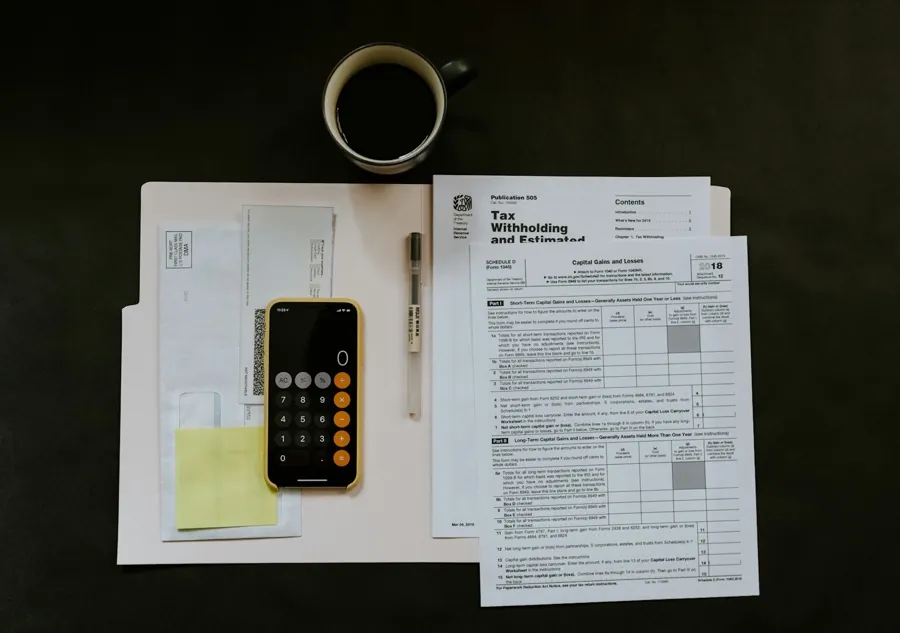
Monthly bills
How to Review Recurring Household Costs
Look for changes, fees, unused subscriptions, and due dates before deciding whether a bill needs attention.
Read the guide ↓Guide 01 · Monthly budget
Build a budget that includes the “not every month” expenses
A budget often looks tidy when it only includes predictable bills. Real life also includes annual renewals, school expenses, gifts, maintenance, and other costs that arrive irregularly. Listing those expenses can help explain why a month feels tight even when the usual bills are covered.
Start with take-home income, list recurring bills, estimate flexible categories, then add irregular expenses you can anticipate. Compare the plan with what actually happened and revise the numbers. A useful budget is a working draft, not a moral score.
Guide 02 · Groceries
Let the pantry help write the shopping list
Before shopping, take a quick look at the fridge, freezer, and pantry. Choose two or three meals that share ingredients, write down what is missing, and leave room for substitutions when prices or availability change.
For a broad reference point, the U.S. Department of Agriculture publishes monthly food-plan cost estimates at several cost levels. These are planning benchmarks, not a promise of what every household will spend; location, household size, shopping choices, and dietary needs all matter.
Source: USDA — Monthly Cost of Food Reports.
Guide 03 · Recurring bills
Review a bill before trying to cut it
Choose one bill at a time. Compare the latest statement with an earlier one, check for usage changes or new fees, and make sure you understand the current terms. For services with different plans, compare the full cost and conditions—not just a promotional price.
For subscriptions, ask whether you used the service recently and whether you still want it. For utilities, household conditions and local rates vary, so avoid assuming that a tip will produce the same savings for everyone. Keep a note of any change and check the next statement to see what happened.
Guide 04 · Grocery planning
The grocery trip that starts before the store
Jamie used to walk into the supermarket with a vague plan: pick up a few things for dinner, replace whatever had run out, and hope the total looked reasonable. The cart filled up in small decisions—an extra snack, a second sauce, produce that looked good but had no clear place in the week’s meals.
Now Jamie starts with a quick kitchen check and three dinner ideas. The list is grouped by section, and a flexible meal—such as soup, eggs, or a grain bowl—can absorb leftover vegetables. It is not a strict budget system. It is a way to make fewer decisions while hungry and reduce the chance that ingredients get forgotten.
Prices, dietary needs, store access, and household size differ. A plan that works for one household may not fit another, so use the idea as a template rather than a rule.
A short list built around meals you will actually cook can make shopping feel more intentional. Image: Unsplash, illustrative.

A recurring charge is easier to evaluate when you know the renewal date and the current terms. Image: Unsplash, illustrative.
Guide 05 · Small recurring costs
The subscriptions Jamie forgot were still running
While reviewing a bank statement, Jamie notices three recurring charges: one streaming service rarely used, a trial that quietly converted to a paid plan, and an app subscription that had been useful months ago. None was enormous on its own. Together, they were worth a closer look.
Jamie makes a list of recurring charges, notes the renewal dates, and decides which services still earn their place. For anything uncertain, Jamie checks the cancellation terms before making a change. The goal is not to eliminate every small pleasure; it is to spend intentionally on the ones that still matter.
A spending review can also reveal expenses that are not easy to change, such as rent, insurance, transport, or care costs. Those are not personal failures. Focus first on the decisions you can safely control, and seek qualified financial or community assistance if bills are becoming unmanageable.
A budget works best as a map of your choices—not a scorecard for your character.
Guide 06 · Household routines
Make the easy choice the visible choice
Jamie wants to bring lunch more often, but mornings are rushed. Instead of relying on motivation at 7 a.m., Jamie puts a reusable container near the fridge and keeps a short list of lunches that use overlapping ingredients. When dinner leftovers are suitable, one portion is packed before the kitchen is cleaned.
This is a small example of changing the environment rather than demanding more willpower. The same idea can help with energy use, errands, or household supplies: keep the relevant information visible, batch tasks when practical, and avoid buying items before checking what is already at home.
Not every “money-saving tip” saves money for every person. Compare the full cost, time, transport, storage, and effort involved. A cheaper option that creates waste or extra travel may not be cheaper in practice.

Small, repeatable choices can make a household budget easier to sustain. Image: Unsplash, illustrative.
A 20-minute money reset
A weekly check-in that is useful, not punishing
Choose a regular time to look at the next week’s calendar and likely expenses. Check what food is already available, note upcoming bills, review recurring charges, and choose one spending decision to revisit. Stop when the time is up; the aim is to create a repeatable habit, not to monitor every cent all day.
If income is irregular, leave room for uncertainty. If several bills arrive at once, list due dates and contact providers early if you need to discuss options. Be cautious with services that promise instant debt relief or require upfront fees without clear terms.
This article offers general educational information, not individualized financial, tax, or legal advice. Local prices, benefits, and assistance programs vary.
Questions readers ask
Everyday money questions, answered simply
How do I start a household budget?
Start by tracking spending for at least two weeks, then list take-home income, recurring bills, flexible categories, and irregular expenses. Compare the plan with what actually happened and revise it. A useful budget is a working draft, not a score.
How often should I review recurring bills?
Review recurring bills regularly, especially before a renewal or when a statement changes. Compare usage, fees, and the current terms, and check whether each subscription is still used. Contact providers early if a bill is becoming difficult to manage.
How can I plan groceries without wasting food?
Check the fridge, freezer, and pantry before shopping. Plan two or three meals that share ingredients, write a list, and leave room for substitutions when prices or availability change.
What should I do if I cannot pay a bill?
Contact the provider as early as possible and ask about available options or assistance programs. Be cautious with services that promise instant debt relief or require upfront fees without clear terms. Seek qualified financial or community assistance if bills are becoming unmanageable.
Useful public resources
These sources offer tools and context for readers who want to take the next step.
- Consumer Financial Protection Bureau: Track Your Spending — a practical starting point for understanding spending patterns.
- U.S. Department of Agriculture: Monthly Cost of Food Reports — food-plan cost estimates and methodology.
- Consumer Financial Protection Bureau: Budgeting resources — consumer-oriented tools and education.
- Unsplash License — image usage terms for the illustrative photographs on this page.
This article is for general educational purposes, not individualized financial, tax, legal, or investment advice. Costs and savings vary. No particular result is guaranteed. Images are illustrative. Names and details are generalized.