
Some nights, the problem isn’t one dramatic thing. It’s a warm room, a bright phone, one more email, and the feeling that the day never really ended. This guide starts there—not with a perfect routine, but with a few ordinary moments many readers may recognize.
An everyday story
Alex’s story: tired all day, wide awake at bedtime
At 10:30, Alex decides to get ready for bed. Then a message arrives. One quick reply becomes a scroll through tomorrow’s weather, a headline, and a video that somehow plays twice. When Alex finally puts the phone down, the room feels stuffy and the mind is still at work.
The next morning, Alex makes a familiar promise: “Tonight, I’ll do better.” But a strict, complicated routine feels like one more task to fail at.
What if the goal wasn’t a perfect night—just a gentler last 20 minutes of the day?
Alex chooses three small experiments: put tomorrow’s tasks on paper, dim the room, and keep the wake-up time reasonably consistent. These aren’t magic tricks. They’re simple cues that make the evening less chaotic—and they are easy enough to try again.
This story reflects a common experience. Names and details are generalized; your experience may be different.
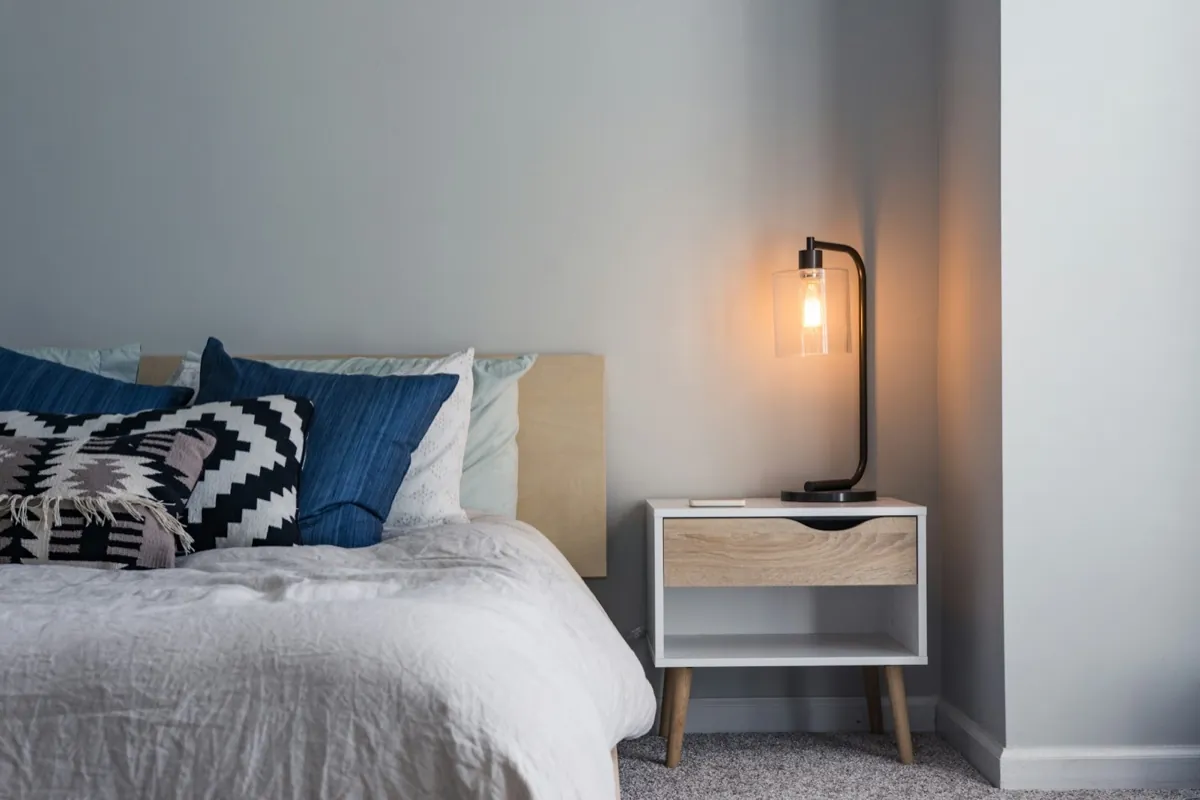
A bedside lamp and a few quiet minutes can help mark the transition from day to night. Image: Unsplash, illustrative.
What trusted sleep guidance says
The U.S. National Heart, Lung, and Blood Institute recommends giving yourself enough time to sleep and making the bedroom quiet, cool, and dark. It also suggests keeping sleep and wake times consistent where possible.
Source: NHLBI — Healthy Sleep Habits.
Try a small experiment
Build a wind-down routine that fits real life
Skip the elaborate checklist. Choose one or two steps that feel realistic, then notice whether they make evenings feel calmer.
01 · Close the open loops
Write down tomorrow’s top priorities. The point isn’t to solve them tonight—just to stop rehearsing them in your head.
02 · Change the atmosphere
Dim bright lights, make the room comfortable, and reduce avoidable noise or notifications.
03 · Repeat a simple cue
Read a few pages, stretch gently, or listen to something calm. Choose a routine you can keep flexible.
Keep exploring
Three paths to a more comfortable night
Different problems call for different experiments. Start with the one that sounds most like your evenings.

Evening habits
How to Create a Calmer Evening Routine
From a short “tomorrow list” to a screen-free pause, explore small rituals that help separate work time from rest time.
Read the guide ↓
Bedroom comfort
Bedroom Temperature, Light, and Noise
A practical room-by-room check of comfort factors you can observe and adjust without buying a whole new bedroom.
Read the guide ↓
Daily rhythm
Build a Sleep Schedule You Can Actually Keep
Why consistency can be more practical than chasing a perfect bedtime—and how to start with one realistic anchor.
Read the guide ↓Guide 01 · Evening routine
The “tomorrow list” trick
Imagine getting into bed and remembering three unfinished tasks. Instead of trying to mentally solve all three, write them down with one next action for each. “Call the dentist” becomes “find the number at lunch.” “Finish the report” becomes “open the draft at 9 a.m.” The list doesn’t make the tasks disappear, but it gives them a place to wait.
Pair that list with a simple signal that your day is winding down: close the laptop, prepare what you need for morning, then move to a quiet activity. If a step becomes stressful or unrealistic, simplify it.
Guide 02 · Bedroom comfort
Change the room before blaming yourself
Sometimes bedtime feels difficult because the environment is working against you. Notice whether the room is too warm, whether streetlight reaches the pillow, or whether a charger and notifications keep your phone within easy reach. Pick one change at a time so you can tell what helps.
There’s no single perfect bedroom setup for everyone. Comfort, housing conditions, noise, climate, and budget all vary. Start with low-cost changes before assuming you need new products.
Guide 03 · Daily rhythm
A schedule should support your life, not punish it
A consistent sleep and wake time can help establish a routine, but real life includes shifts, caregiving, travel, and late nights. Instead of aiming for an unrealistic overnight transformation, choose a schedule you can maintain most days and adjust gradually where possible.
Adults generally need enough time for sleep, and needs vary. If persistent sleep difficulties are affecting your daily life, consider talking with a qualified healthcare professional rather than relying on lifestyle tips alone.
Further reading: CDC — Sleep and Heart Health.
Guide 04 · When you wake up
When 3 a.m. turns into a planning meeting
Alex wakes in the middle of the night and checks the clock. It says 3:08. A quick calculation begins: how many hours are left, how tired will tomorrow feel, and is there any point trying to sleep again? The clock becomes the loudest thing in the room.
A gentler response is to avoid turning the moment into a test. Keep the light low, avoid repeatedly checking the time, and choose something quiet if you feel wide awake. When you feel sleepy again, return to bed. This is not a guaranteed fix; it is simply a way to reduce the pressure that can build around being awake.
If waking during the night happens often, causes significant daytime fatigue, or comes with symptoms such as loud snoring or gasping, seek advice from a qualified healthcare professional. A lifestyle article cannot identify the cause.
A low-stimulation environment can feel kinder than bright lights and repeated clock-checking. Image: Unsplash, illustrative.
A useful reminder
Sleep needs and sleep difficulties vary. General sleep-habit advice may help some people, but persistent problems deserve individual guidance.
Start with the NHLBI sleep information hub.

A brief note can move tomorrow’s worries out of your head and onto paper. Image: Unsplash, illustrative.
Guide 05 · Stress and sleep
Give tomorrow a place to wait
On Sunday night, Alex’s thoughts keep circling the same three worries: a meeting, a bill, and a message that needs a careful reply. Trying harder to stop thinking only makes each worry more noticeable.
So Alex tries a five-minute “parking lot” note. Each concern gets one line, followed by the smallest next action and a time to revisit it. The meeting becomes “review the agenda after breakfast.” The bill becomes “check the due date tomorrow.” The message becomes “draft a reply during lunch.”
The point is not to pretend that stress disappears when it is written down. It is to make a practical plan so bedtime does not have to carry the entire next day. If worries feel overwhelming or persistent, professional support may be more useful than another bedtime trick.
You do not have to solve tomorrow tonight. You only need a reasonable place to begin.
Guide 06 · Household routines
Make the easy choice the visible choice
Alex wants to wind down earlier, but evenings are rushed. Instead of relying on motivation at 10:30 p.m., Alex puts a book beside the bed and keeps a short list of quiet activities that do not involve a screen. When the phone charger moves across the room, one less distraction is within reach.
This is a small example of changing the environment rather than demanding more willpower. The same idea can help with morning light, evening snacks, or the pile of clothes on the chair: make the useful choice visible, and make the automatic choice slightly less convenient.
Not every “sleep tip” works for every person. Compare the effort, comfort, and cost involved. A routine that creates stress is not a better routine.

A warm, caffeine-free drink can be part of a simple wind-down ritual. Image: Unsplash, illustrative.
A realistic seven-night experiment
Try one change at a time—not a total life makeover
For the next week, keep the experiment deliberately small. On the first two nights, write down tomorrow’s top priorities. On the next two, adjust one environmental factor, such as light or noise. Then try a consistent wake-up time that fits your responsibilities. Leave the remaining nights for noticing what felt helpful and what did not.
Make a note of patterns without grading yourself: Was the room more comfortable? Did you spend less time scrolling? Did a wind-down cue feel calming or annoying? A useful routine should fit your life; if it becomes another source of pressure, simplify it.
This is a general self-observation exercise, not a treatment plan. Do not delay professional care for ongoing or severe sleep problems.
Questions readers ask
Sleep questions, answered simply
How long should adults sleep?
Most adults need at least seven hours of sleep per night, according to the CDC. Individual needs vary, and ongoing sleep problems should be discussed with a qualified healthcare professional.
What is a realistic wind-down routine?
A realistic routine is short and repeatable. Try writing down tomorrow’s priorities, dimming the lights, and choosing one quiet activity such as reading or gentle stretching. Skip steps that feel like another task to fail.
Does a cool, dark bedroom help?
The NHLBI recommends making the bedroom quiet, cool, and dark. There is no single perfect temperature for everyone, so adjust one factor at a time and notice what feels more comfortable.
When should I seek help for sleep problems?
If sleep problems persist, significantly affect daytime functioning, or come with symptoms such as loud snoring or gasping, seek advice from a qualified healthcare professional. A lifestyle article cannot diagnose a sleep disorder.
Read beyond this page
We use public health sources for general sleep information. The links below are useful starting points for readers who want to explore the evidence.
- National Heart, Lung, and Blood Institute: Healthy Sleep Habits — routines, light, caffeine, and bedroom environment.
- Centers for Disease Control and Prevention: Sleep and Heart Health — sleep duration and general health guidance.
- NHLBI: How Sleep Works — background on sleep and the body’s rhythms.
- Unsplash License — image usage terms for the illustrative photographs on this page.
This article is for general educational purposes and is not medical advice. It does not diagnose or treat sleep disorders. Individual needs and results vary. Images are illustrative. Names and details are generalized.