
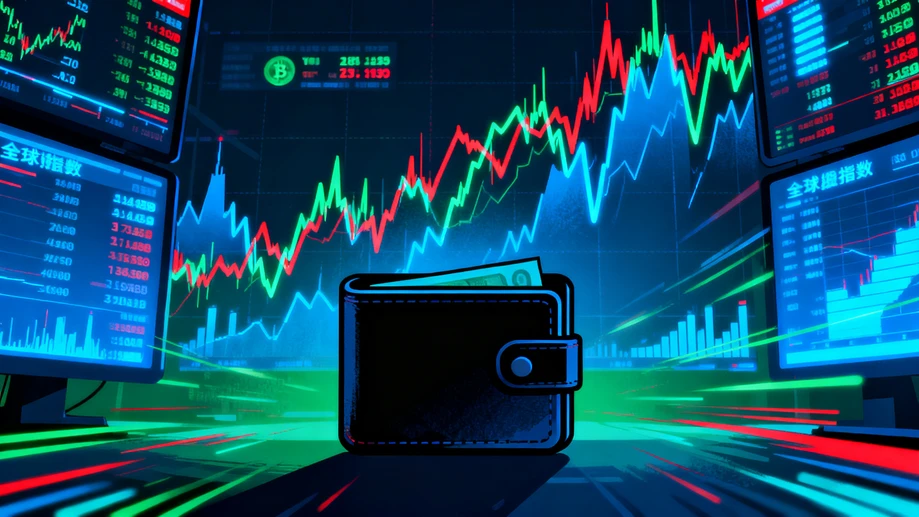
Is Your Digital Wallet Riding a Roller Coaster?
Discover the wild thrills and spills of cryptocurrency volatility in today's global economy.
Imagine waking up to find your savings doubled overnight, only to plummet by lunchtime—welcome to the dizzying world of cryptocurrencies. From Bitcoin's meteoric rise to Ethereum's sudden dips, digital currencies have transformed finance into a high-stakes amusement park. This isn't just tech wizardry; it's a real-life drama playing out in wallets worldwide. Cryptocurrencies emerged as rebellious alternatives to traditional banks, promising freedom from inflation and government control. But their wild swings make them feel more like a thrill ride than a safe investment. As millions dive in, from tech-savvy millennials to cautious retirees, the question isn't whether to join—it's how to buckle up for the inevitable drops. After all, in this digital age, your money might be safer in a mattress, but where's the fun in that?
Why do cryptocurrencies swing so wildly? It boils down to a perfect storm of supply, demand, and human psychology. Unlike stable assets like gold or bonds, digital coins have no intrinsic value—they're worth what people believe they're worth. When Elon Musk tweets about Dogecoin, prices can skyrocket; when a government cracks down, they nosedive. This volatility stems from limited supply (only 21 million Bitcoins will ever exist) and massive speculation. Think of it as a global game of hot potato: investors rush in during bull runs, fearing they'll miss out, then panic-sell at the first sign of trouble. Add in factors like energy costs for mining and regulatory uncertainty, and you've got a recipe for chaos. For instance, in 2021, Bitcoin soared to $64,000, only to crash below $30,000 months later—a drop that wiped out billions in wealth overnight. It's not just numbers on a screen; it's real money vanishing into thin air, leaving everyday folks scratching their heads.
The ripple effects of this roller coaster extend far beyond individual wallets, shaking the foundations of the global economy. When crypto markets tumble, traditional stocks often follow, as seen in recent corrections that dragged down tech giants. Small businesses accepting Bitcoin payments face sudden revenue shortfalls, while countries like El Salvador, which adopted it as legal tender, grapple with national debt spikes. On the flip side, volatility breeds innovation: decentralized finance (DeFi) platforms offer loans and savings without banks, but they're prone to hacks and crashes. Take the 2022 collapse of TerraUSD, a "stablecoin" that lost 99% of its value in days, erasing $40 billion. This isn't sci-fi—it's everyday financial news, reminding us that digital assets can amplify risks in an interconnected world. Yet, for all the chaos, crypto's allure persists, drawing in new players with promises of quick riches.
But let's inject some fun into this financial frenzy. Cryptocurrency volatility isn't all doom and gloom—it's packed with quirky tales that make Wall Street look tame. Consider the story of "laser eyes" on social media, where investors post photos with glowing eyes to signal bullish bets, turning memes into market movers. Or the rise of NFTs (non-fungible tokens), where digital art like Beeple's $69 million sale can swing values based on internet hype. These aren't just fads; they're evidence of how pop culture fuels economic waves. Even coffee shops now accept crypto, with baristas joking about "Bitcoin lattes" that cost more if prices surge. It's a reminder that finance has gone viral, blending seriousness with absurdity. So, next time you check your portfolio, remember: in this wild west, a viral tweet could be your ticket to riches—or ruin.
So, how can you navigate this digital whirlwind without losing your shirt? Start with education: understanding blockchain basics helps demystify the chaos. Diversify your investments—don't put all eggs in the crypto basket—mix in stocks or real estate. Use tools like stop-loss orders to limit losses automatically. And always, always, do your homework: research projects before investing, avoiding get-rich-quick schemes. Governments are stepping in too, with regulations aimed at taming volatility, like the EU's MiCA framework. But the key is mindset: treat crypto as high-risk fun money, not life savings. If you're risk-averse, stablecoins pegged to the dollar offer a smoother ride. As the market evolves, expect more stability from institutional adoption. Ultimately, crypto's thrill lies in its unpredictability—embrace the ride, but keep a safety net.
Looking ahead, the future of cryptocurrency promises fewer gut-wrenching drops and more stability, as innovations like central bank digital currencies (CBDCs) emerge. These could blend crypto's efficiency with traditional safety, reducing wild swings. Already, Ethereum's shift to a greener system shows tech maturing. Yet, volatility will linger, driven by global events like geopolitical tensions or climate policies. For investors, this means opportunities amid the chaos—buying low during crashes, for instance. As we hurtle toward a digital-first economy, cryptocurrencies aren't fading; they're evolving. So, ask yourself: is your money ready for the next loop-de-loop? In this thrilling financial saga, one thing's certain: the roller coaster won't stop anytime soon. Buckle up, stay informed, and enjoy the ride—it's the most exciting show in modern finance.