
Bees Don't Just Make Honey—They Dance to Talk!
Decoding the Secret Wiggle Moves That Keep Hives Alive
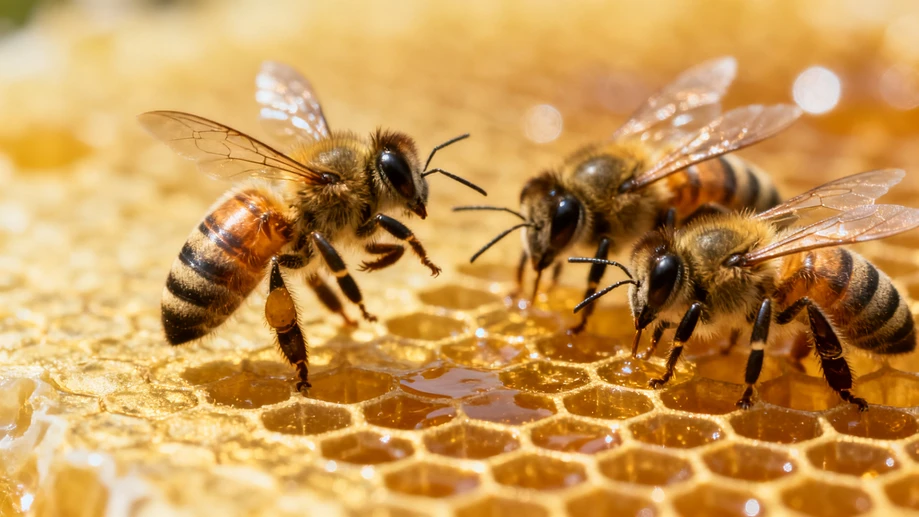
Imagine a bustling insect city where residents communicate directions by shaking their hips. This isn’t science fiction—it’s your local honeybee hive. Forager bees perform intricate "waggle dances" on vertical honeycomb stages, transforming their bodies into living GPS devices. Their movements pinpoint flower locations with astonishing precision, using gravity as a compass and dance duration as an odometer. The discovery of this dance language revolutionized our understanding of animal intelligence and transformed how we view these striped pollinators buzzing through suburban gardens.
The dance floor is the honeycomb, and the performer angles her body to mirror the sun’s position relative to the target flowers. A vertical wiggle toward the top? That means "fly toward the sun." A 40-degree tilt to the right? "Aim 40 degrees right of the sun." The longer the dance, the farther the journey—each second translates to roughly a kilometer. Surrounding bees follow the dancer, tasting nectar samples she carries while decoding her movements through antennae vibrations. This tactile feedback system allows real-time navigation updates without a single buzzword.
Bees constantly recalibrate their dances as the sun moves across the sky. Researchers observed how a dancer adjusts her angle by exactly 15 degrees per hour—matching the sun’s westward shift. On cloudy days, they switch to Earth’s magnetic field, detected through iron granules in their abdomens. When scouts find super blooms, dances turn frenzied, with bees vibrating wing muscles to "shout" directions. This urgency creates swarm intelligence: A dozen mediocre flower patches lose out to one spectacular find through democratic dance-offs.
Human agriculture unknowingly exploits this system. Orchards and clover fields become beehive landmarks. Bees even track urban flower boxes and rooftop gardens, memorizing cityscapes as efficiently as forests. But modern pesticides scramble their navigational senses. Studies show exposed bees produce erratic dances that misdirect hives toward food deserts. Farmers now collaborate with beekeepers, creating pesticide-free corridors that let dance instructions stay accurate—a real-world example of how understanding bee communication saves colonies.
This phenomenon unfolds in parks worldwide daily. Next time you see bees hovering near blossoms, know they’re collecting coordinates for elaborate dance routines. Their success feeds hive larvae, pollinates our almonds, and even supports wildlife corridors. As climate change alters flower seasons, decoding these dances helps scientists predict pollination patterns. The hive’s dance floor remains nature’s most sophisticated boardroom—where every wiggle votes on survival.