
Global Warming Is Reshaping Your Morning Brew Right Now!
Discover how climate change sneaks into everyday routines, from coffee to commutes, with surprising global twists.
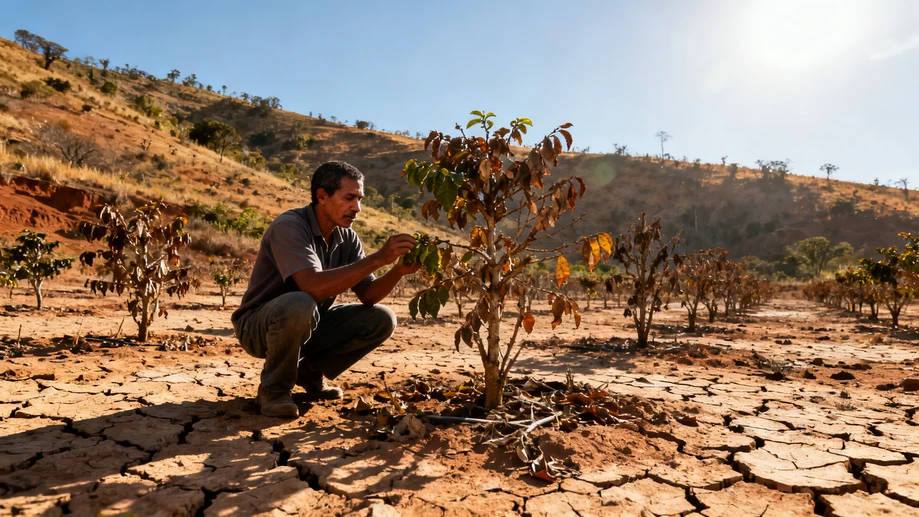
Imagine sipping your favorite coffee on a crisp morning, only to find it tastes bitter or costs more—thanks to a warming planet. This isn't science fiction; it's real life. Global warming, driven by human activities like burning fossil fuels, is altering weather patterns worldwide. As temperatures rise, crops like coffee beans struggle in their traditional growing regions. For instance, in Brazil, a major coffee producer, hotter days and erratic rains have slashed yields by up to 20% in recent years. Farmers report smaller harvests, forcing prices higher and affecting your daily cup. It's a wake-up call: what seems like a distant environmental issue is hitting home, one sip at a time. This shift isn't just about taste; it's a sign of how interconnected our lives are with Earth's health.
The science behind this is straightforward yet profound. Greenhouse gases, such as carbon dioxide from cars and factories, trap heat in the atmosphere, leading to global temperature increases. This disrupts ecosystems, causing droughts, floods, and heatwaves. For coffee lovers, the problem starts with Arabica beans, which thrive in cool, high-altitude areas. But as temperatures climb, these zones shrink, pushing farmers to higher elevations or forcing them to switch to hardier but less flavorful Robusta varieties. The ripple effects extend beyond your mug: supply chains get strained, leading to shortages and inflation. In fact, studies show that by 2050, over half of today's coffee-growing land could become unsuitable. This isn't isolated; similar trends affect crops like cocoa and almonds, making your snacks pricier and less reliable.
Daily routines are feeling the heat in unexpected ways, from your commute to your wardrobe. Warmer winters mean less snow for skiing enthusiasts, while hotter summers increase air conditioning use, hiking electricity bills. In cities like New York, heatwaves now cause more frequent subway delays as tracks expand in the sun. Even fashion choices adapt: lighter fabrics sell out faster in unseasonal warmth. Globally, this plays out in diverse settings—coastal communities face rising sea levels eroding beaches, while inland regions battle water scarcity. For example, in India, erratic monsoons disrupt farming schedules, affecting staple foods like rice. These changes aren't just inconveniences; they impact mental health, with studies linking climate anxiety to everyday stress. The takeaway? Your life is a microcosm of a planet in flux.
Solutions are within reach, starting with simple, personal actions. Switching to energy-efficient appliances or opting for public transport can cut carbon footprints. On a larger scale, innovations like drought-resistant crops or renewable energy projects are gaining traction. In Kenya, farmers use shade-grown coffee techniques to protect beans from intense sun, preserving flavor and yields. Governments and businesses are stepping up, too, with policies promoting sustainability, such as carbon taxes or green certifications. By embracing these steps, we not only safeguard our daily comforts but also foster global resilience. After all, addressing climate change isn't about sacrifice—it's about smarter choices that keep your morning ritual intact and the world thriving.