
The Astonishing Secrets of Earth's Tiny Superheroes!
Uncover how insects are silently saving our planet and why their survival is key to our future.
Imagine a world without the humble bee or the industrious ant. It might sound like a sci-fi nightmare, but it's a real threat we're facing. Insects, often dismissed as pests, are the unsung heroes of our global ecosystem. They make up over 80% of all animal species on Earth, buzzing and crawling in every corner—from your backyard garden to the Amazon rainforest. These tiny creatures are nature's ultimate recyclers, pollinators, and pest controllers. Without them, our food supply would collapse, forests would decay, and entire ecosystems would unravel. Yet, we're losing them at an alarming rate due to climate change and habitat destruction. This isn't just an environmental issue; it's a human survival story. By understanding their incredible roles, we can start appreciating the miniature marvels that keep our world ticking.
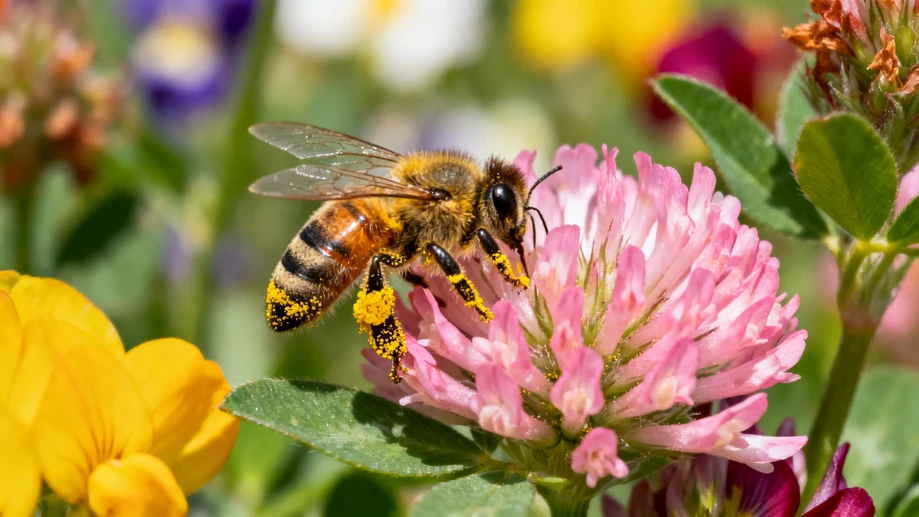
Dive into the fascinating world of insect diversity. There are over a million known species, each with unique superpowers. Take bees, for example: they pollinate 70% of the crops we eat, from apples to almonds, contributing billions to the global economy. In Japan, farmers use dragonflies to control mosquito populations naturally, reducing the need for harmful pesticides. Ants, with their complex colonies, aerate soil and recycle nutrients, making them essential for healthy gardens. Even in cities, insects like ladybugs feast on aphids, protecting urban green spaces. But the real magic lies in their adaptability. Some beetles can survive in deserts by collecting dew, while Arctic insects hibernate through freezing winters. These everyday wonders show how insects are masters of innovation, silently working to balance our planet. Yet, their numbers are plummeting—studies show a 40% decline in insect populations worldwide in just 30 years. Why? Pesticides, pollution, and urban sprawl are turning their homes into wastelands.
Climate change is accelerating this crisis. Rising temperatures disrupt insect life cycles, causing mismatches in pollination seasons. For instance, warmer springs in Europe have led to flowers blooming earlier, but bees aren't adapting fast enough, threatening fruit harvests. In tropical regions, deforestation is wiping out habitats, pushing species like butterflies toward extinction. This isn't just about losing pretty bugs; it's a domino effect. Birds and frogs that feed on insects starve, and crops fail without pollination. The economic impact is staggering: the loss of pollinators alone could cost the world up to $577 billion annually. But there's hope. Simple actions in our daily lives can make a difference. Planting native flowers in gardens attracts bees, while reducing pesticide use gives insects a fighting chance. Communities worldwide are embracing "insect hotels"—small structures that provide shelter in urban areas. By supporting such initiatives, we're not just saving bugs; we're safeguarding our own food and health.
Protecting insects starts with awareness. Many people fear them, but education can turn fear into fascination. Schools in countries like Germany are incorporating "bug safaris" into curricula, where kids observe insects in local parks. Apps like iNaturalist allow anyone to document species, contributing to global databases that track declines. Governments are stepping up too: the EU has banned neonicotinoid pesticides linked to bee deaths, and Costa Rica protects insect-rich forests as national treasures. On a personal level, choosing organic produce or leaving fallen leaves in yards creates mini-sanctuaries. These efforts are paying off. In New York City, rooftop gardens have revived bee populations, while in Kenya, farmers use companion planting to boost crop yields without chemicals. It's proof that small changes add up. Insects are resilient; given a chance, they bounce back, restoring ecosystems bit by bit. This global movement shows that conservation isn't about grand gestures—it's about everyday choices that honor these tiny titans.
In the end, insects are more than just creepy-crawlies; they're the glue holding our planet together. Their decline is a wake-up call, but their comeback stories inspire action. By valuing their role, we invest in a sustainable future. So next time you see a bee buzzing by or an ant marching along, remember: they're not invaders, but indispensable allies. Let's champion their cause, for in saving them, we save ourselves.