
Bees Are Vanishing! What It Means for Your Next Meal
Discover How These Tiny Insects Hold the Key to Global Food Security and Everyday Life
Picture your morning coffee without its rich aroma or your lunch salad missing crisp cucumbers and juicy tomatoes. This isn't a dystopian fantasy—it's a looming reality as bees, nature's most efficient pollinators, face a catastrophic decline worldwide. These buzzing wonders are responsible for pollinating one-third of the food we eat, from apples and almonds to coffee beans and blueberries. Without them, grocery shelves would empty, diets would lack essential nutrients, and ecosystems could unravel. In the past decade, global bee populations have dropped by up to 30% in some regions, sparking alarms from scientists and farmers alike. The crisis isn't just about honey; it's about the very fabric of our daily sustenance. As we sip our lattes or bite into a fresh strawberry, few realize that bees are the unsung heroes keeping our plates full and our planet thriving.
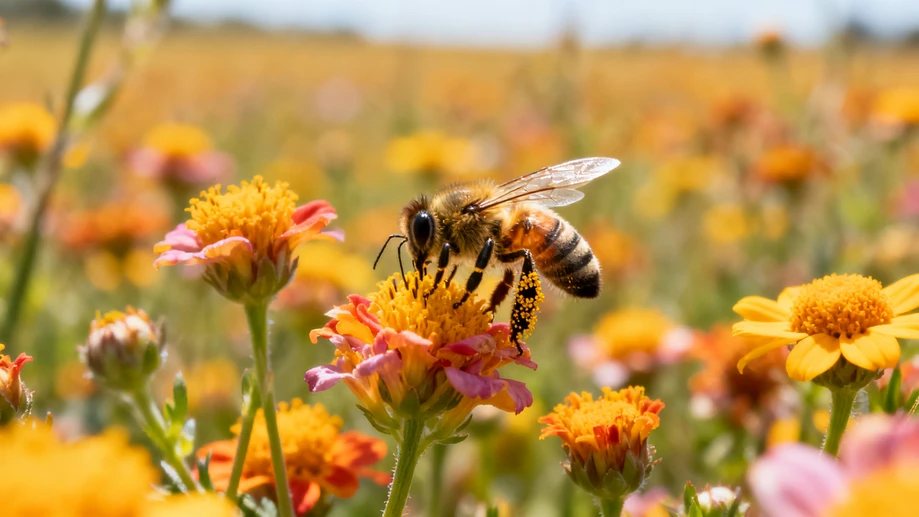
How do bees pull off this global feat? It's all in their daily dance across flowers. As bees forage for nectar to feed their hives, their fuzzy bodies collect pollen grains, transferring them between blooms and enabling fertilization. This natural process is irreplaceable for over 75% of flowering plants, including key crops like cherries, pumpkins, and avocados. Unlike wind-pollinated staples such as corn, bee-dependent foods rely on precise pollination for high yields and quality. For instance, in California's almond orchards, billions of bees are trucked in annually to pollinate trees, contributing to a $20 billion industry. Globally, bee pollination adds $235-577 billion to agricultural economies each year. A single hive can visit 50,000 flowers in a day, making bees indispensable workers in the world's largest open-air factory—our farms. Lose them, and we'd face labor-intensive alternatives like hand-pollination, already used in parts of China for pears, which drives up costs and scarcity.
So, why are bees disappearing at such an alarming rate? The causes are a toxic cocktail of human-made pressures. Pesticides, particularly neonicotinoids, act as neurotoxins, disorienting bees and weakening their immune systems—often leading to colony collapses. Habitat loss from urban sprawl and industrial farming strips away wildflower meadows, leaving bees without food sources. Climate change adds fuel to the fire, with erratic weather disrupting bloom cycles; flowers may emerge early, but bees aren't active yet, creating deadly mismatches. Parasites like Varroa mites suck bees' blood and spread viruses, while diseases decimate hives. In Europe, one in ten bee species is now threatened, and North America has seen winter losses soar to 40%. This isn't isolated; it's a symptom of our unsustainable lifestyles, where convenience trumps conservation. The result? A silent epidemic that could starve our future.
The fallout is already hitting dinner tables and wallets. Reduced pollination means smaller harvests, spiking food prices, and potential shortages. Crops like blueberries could see yields plummet by 90%, while staples like beans and nuts become luxuries. In regions like Sichuan, China, farmers spend hours hand-pollinating fruit trees—a vivid example of bee scarcity's toll. Globally, the UN warns that pollinator decline could cause up to 1.4 million extra deaths annually from malnutrition, as vitamin-rich foods vanish. Biodiversity suffers too: bees support plants that feed birds, bears, and insects, so their loss triggers a domino effect. Economically, the impact could slash global GDP by billions, hurting small farmers and inflating grocery bills. Imagine a world where apples are rare treats or coffee is unaffordable—it's not sci-fi; it's science fact unfolding now.
Thankfully, saving bees is within everyone's reach, and simple actions can spark big change. Start in your backyard: plant native flowers like lavender or sunflowers to provide nectar, set up shallow water dishes, and ditch pesticides for organic alternatives. Communities can create "bee highways" by linking gardens and green spaces, as seen in Oslo's urban projects. Support local beekeepers or start a hive; it's a growing hobby that boosts populations. On a larger scale, advocate for policies like the EU's ban on harmful pesticides or fund habitat restoration through groups like the Xerces Society. Businesses are joining in, with companies like Burt's Bees funding research, while tech innovations like disease-resistant bee breeds offer hope. Every effort counts, from schools teaching pollination to restaurants sourcing bee-friendly produce. It's not just about insects; it's about securing our food chain.
In the end, bees are more than pollinators—they're a lifeline to a sustainable future. Their decline mirrors our environmental challenges, urging us to rethink how we farm, eat, and live. As experts warn, protecting bees safeguards biodiversity, combats climate change, and ensures food for generations. So, next time you see a bee buzzing by, remember: that tiny creature is holding up our world. Let's act before the buzz fades to silence.