
Did you know your existing wardrobe hides three foolproof fashion styles that cost zero extra money to pull off
A recent consumer lifestyle survey reveals 68 percent of people have more than 70 unworn clothing items in their closets, and most of these pieces can be combined into highly recognizable stylish outfits without adding new purchases
The global fast fashion industry has spent the past decade convincing people that "new equals better", pushing thousands of new styles to market every week to encourage frequent replacements of clothing that is still perfectly functional. For most ordinary people, this continuous consumption cycle has created a strange paradox: they feel they never have enough clothes to wear, even though their wardrobes are overflowing with pieces they bought on impulse during previous sales. The new wave of fashion content creators who focus on zero-cost outfit matching recently broke this long-standing industry illusion, sorting out a series of universal, non-trend-restricted styling formulas that only require people to re-arrange existing clothing, and these formulas have quickly gained tens of millions of views on mainstream social platforms in just two months.
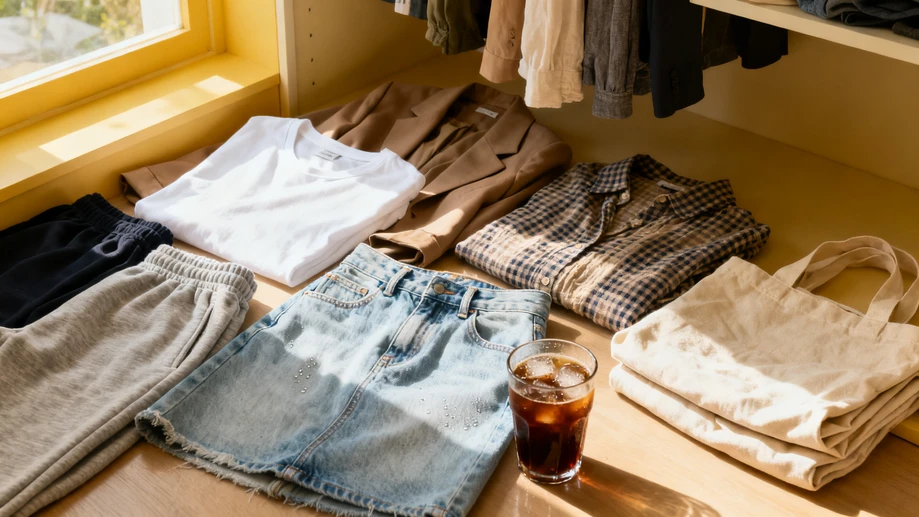
The first most underrated style hidden in almost every wardrobe is called low-effort elevated daily wear, which does not require any fancy accessories or special customized clothing to achieve. The core logic of this style is to mix a single seemingly formal item into a set of completely casual home wear, to raise the overall texture of the whole outfit in a barely noticeable way. For example, you can pair the old loose cotton sweatpants you usually wear to take out the trash with an oversized plain blazer you bought for a work interview years ago, and finish the look with a pair of clean white sneakers you wear for walking the dog, and you will get a casual but neat outfit that fits perfectly for coffee dates, community grocery runs and half-day office work. There is no trace of deliberate styling in this set of matching, and it avoids the rigid sense of formality brought by a full suit, while solving the embarrassment of being too sloppy when you wear full home loungewear to meet acquaintances on the street.
The second almost universal hidden style is low-saturation retro mismatch, a styling concept that originated from young people in the 1990s who did not have extra money to buy new fashion items and had to mix clothing from their parents' closets with their own daily pieces. The core rule of this style is to ensure that at least two colors of the three main pieces in your whole outfit come from the same saturation level on the color wheel, so even if the patterns or styles of different items are completely different, they will not look messy at all. You can try to match the loose plaid linen shirt your dad left behind during his 2008 business trip, with the tight light blue denim skirt you bought last summer, and add a pair of old white socks that are slightly longer than the sneakers you usually wear, and the final look will have a natural retro texture that no mass-produced fast fashion new product can replicate. Many people who tried this matching formula shared that they received more compliments on the day they wore this outfit than they received in the whole previous month of wearing newly bought internet-famous styles.
The third easily accessible style that most people never thought of is soft daily outdoor styling, which transfers the functional outdoor single items that were originally only used for mountaineering and hiking to regular daily scenarios. The core of this style is to take lightweight quick-dry jackets, water-repellent canvas vests and non-slip casual hiking shoes out of the storage box under your bed, and match them with soft daily items like chiffon dresses, loose knit sweaters and cotton wide-leg pants. This matching method retains the comfortable and breathable functional advantages of outdoor clothing, while adding a sense of casual unruly to the overall look, and it can adapt to all scenarios from commuting on rainy days to weekend picnic trips. Unlike the overly professional full hiking suit that looks out of place in the city, this daily outdoor styling does not have too many overly obvious professional outdoor logos, and it does not require you to master any special outdoor knowledge to wear it properly.
The behind-the-scenes data of this recent zero-cost outfit trend shows that the average person who tries these three styles can get 7 to 9 new different matching options from their original wardrobe without buying any new clothes, which greatly extends the service life of existing clothing and effectively reduces unnecessary clothing consumption. Many fashion industry analysts said that this trend marks a major shift in public consumption attitudes towards clothing, people are no longer chasing the short-lived trend labels that change every quarter, but are paying more attention to the practical value and personal comfort of each piece of clothing. You do not need to wait for the new season of fashion week to update your outfit, and you do not need to save extra money to buy limited edition new styles, you can stand in front of your own closet this weekend, spend 20 minutes rummaging through the old clothes you have not touched for more than half a year, and you will be surprised to find the unexpected new fashion possibilities hidden there.