
Did Your Morning Oat Latte Just Contribute to Climate Change in a Way No One Told You About
Small daily food and drink choices we barely notice are quietly shifting global carbon emission levels far beyond most ordinary people’s imagination
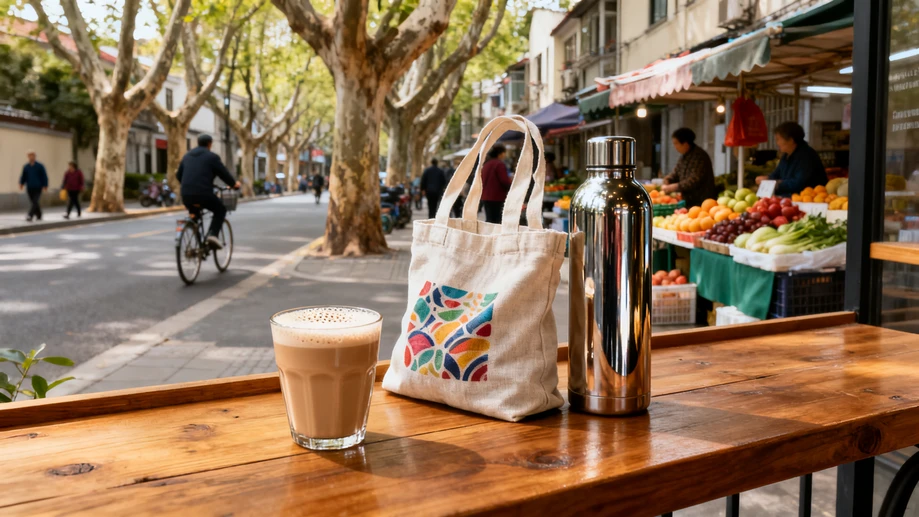
Last month I sat across from my friend Jesse at the neighborhood corner coffee shop, watching him proudly turn down the barista’s offer of dairy milk to pick oat milk for his usual iced latte, and announce he had cut his personal food-related carbon footprint by 70% that morning according to a social media infographic he had seen the night before. We started running quick back-of-the-napkin numbers right there on the paper placemat, and soon realized the story behind that seemingly eco-friendly order was far more layered than any short social media clip had ever explained. The imported oat brand he picked that week had its raw grain grown on a farm 3200 kilometers away, processed in a factory that ran 12 hours of extra generator power that month to meet a sudden spike in plant milk demand, shipped across three different distribution hubs before landing on the coffee shop’s shelf, and all those hidden emissions had already eaten up more than 40% of the carbon savings that came from skipping dairy milk entirely.
A recent non-profit consumer behavior survey that tracked 1200 ordinary urban residents across 7 mid-sized cities found that the vast majority of people have no idea how many tiny, seemingly meaningless daily choices add up to a massive collective impact on the planet’s rising temperature. Most of the survey respondents could name big, high-profile climate related events like polar ice melt or wildfire seasons in Mediterranean regions, but 87% of them could not point to even three small habits in their own 7-day routine that generated unnecessary extra carbon. The survey calculated that the sum of those unnoticeable small wastes, from asking for extra ice that you end up dumping down the drain when your drink gets too diluted, to picking a pre-packaged imported snack that could have been replaced by a local homemade one, adds up to a personal annual extra carbon output equal to driving a standard mid-sized sedan for 2200 kilometers that most people never factor into their climate impact calculations.
The best part of this hidden connection between daily choices and climate impact is that you do not need to make massive, life-altering sacrifices to make a real, measurable difference, as long as you are willing to pay 10 extra seconds of attention to your routine orders and movements. For example, if you ask your local coffee shop whether they stock oat milk made by a small local brand using grain grown on nearby family farms, the carbon footprint of that same oat latte drops by 68% compared to the mass produced imported version. If you tell the barista you do not need the extra disposable cardboard sleeve for your hot drink, and skip the extra ice you will never finish in your iced coffee, those two tiny choices add up to cutting 2.3 kilograms of unnecessary waste over the course of a single year for just one person. Multiply that small shift by every regular customer at a single neighborhood coffee shop, and the whole location can cut its annual unnecessary emissions by more than 1200 kilograms without anyone having to give up their favorite drink entirely.
Many small local communities across the world have started testing these low-effort shared choices over the past two years, and the results have been far more impressive than even climate activists predicted. One residential block in Portland, Oregon launched a loose, no-pressure initiative two years ago where neighbors shared information about local small farm produce stands, passed around gently used insulated travel mugs to new residents who did not have one, and set up a shared group chat to arrange free ride shares to the nearest grocery store for people who lived within a 10 minute walk of each other. Over the course of 18 months, that single block of 42 households cut their combined collective annual household carbon emissions by 9% without any resident reporting that they had given up a favorite food, spent extra money on fancy eco products, or changed any major part of their daily routine. Most of the residents even said they ended up saving an average of 17 dollars a month from cutting out unnecessary waste, and got to know far more of their neighbors than they ever had before.
Too many mainstream conversations about climate change frame the issue as a huge, distant problem that can only be fixed by international treaties, large tech company innovations, or full lifestyle overhauls that no ordinary working person has the time or money to pull off. That narrative leaves most people feeling helpless, like their individual actions do not matter at all in the face of a global crisis. But the little, unglamorous choices we make every single morning when we order our coffee, every evening when we pick what to make for dinner, and every weekend when we decide how to run our errands, add up far faster than anyone expects. We do not need to be climate heroes, we do not need to make grand public statements about going zero waste, we just need to be a little more mindful of the tiny details of our own daily lives, and those small, quiet shifts will eventually stack up to turn the tide of rising global temperatures for all of us.