
Can You Actually Catch the Dancing Lights in the Sky?
The Science and Magic Behind the Northern Lights
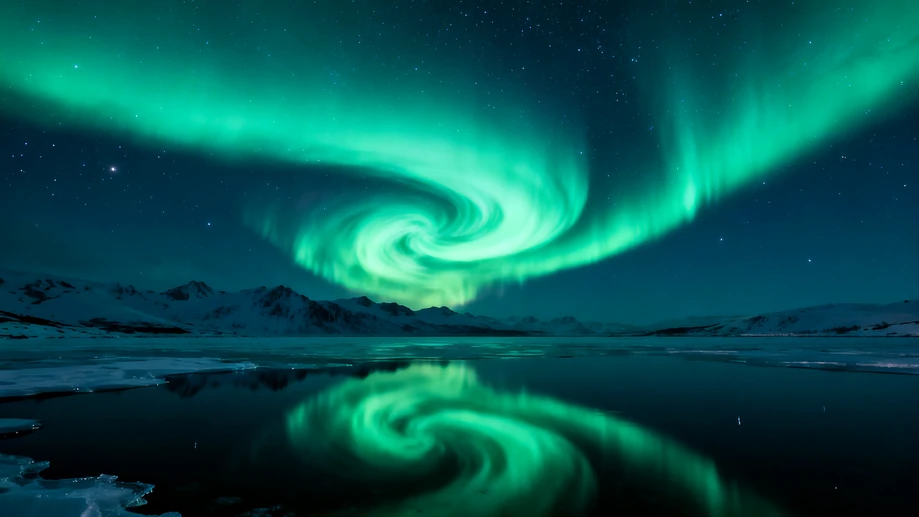
Imagine standing under a frosty Arctic sky when suddenly, rippling curtains of emerald and violet ignite the darkness, swirling like cosmic paintbrushes across the stars. This is the aurora borealis, nature’s most spellbinding light show. For centuries, these celestial dances have sparked legends among indigenous cultures—from Norse warriors believing them to be shields of Valkyries to Finnish myths calling them fire foxes dashing across snowfields. Today, travelers flock to icy frontiers, cameras in hand, hoping to witness this phenomenon that turns ordinary nights into otherworldly spectacles. But what sorcery fuels these silent fireworks? The answer lies 93 million miles away, on the surface of our sun.
Solar storms constantly hurl charged particles toward Earth at a million miles per hour. When these particles collide with our planet’s magnetic field, they’re funneled toward the poles. As they plunge into the upper atmosphere, they smash into oxygen and nitrogen atoms 60-200 miles above the ground. Like excited dancers absorbing energy, these atoms briefly hold the solar charge before releasing it as shimmering photons—green from oxygen, purple-red from nitrogen. The shapes? Determined by Earth’s magnetic field lines: pulsing waves when particles slide along them, shimmering curtains when solar winds intensify. This breathtaking glow isn’t unique to Earth; Jupiter’s auroras, fueled by volcanic moons, are large enough to swallow our entire planet.
Timing an aurora sighting combines science and luck. Solar activity follows an 11-year cycle, with "solar maximum" periods—like 2024-2025—boosting displays. But even during peak seasons, you’ll need Arctic darkness away from city lights. Tromsø in Norway, Fairbanks in Alaska, and Yellowknife in Canada offer prime seats, though Iceland steals the spotlight with its geothermal lagoons serving as steamy front-row theaters. Winter months provide long nights, but autumn and spring equinoxes often trigger stronger geomagnetic storms. Surprisingly, auroras occasionally stray southward—during major solar flares, New York or Scotland might glimpse rare crimson ribbons.
Beyond the visuals, auroras create "earthly" effects. Intense displays generate electromagnetic currents that can disrupt power grids—as seen in Quebec’s 1989 blackout. They also produce eerie crackling sounds, once dismissed as folklore but now confirmed by researchers. Microphones left in Finnish forests recorded snaps and pops 230 feet high, likely from electrical discharges in inversion layers. Meanwhile, satellites monitor solar flares to warn astronauts of radiation risks—a modern twist on ancient sky-watching traditions. While auroras pose no direct danger to humans, their solar origins remind us of our intimate connection to the sun’s temper.
Chasing the lights requires more than warm clothes—it demands patience. Apps like Aurora Forecast track real-time solar wind data, while local guides know hidden viewing spots. Cloudless skies are crucial; even weak auroras become unforgettable when reflected in icy fjords. For photographers, long exposures (10-30 seconds) capture their true vibrancy. Yet the real magic lies beyond lenses: watching those silent waves flicker overhead feels like witnessing the cosmos breathing. As NASA’s Parker Solar Probe dives toward the sun, unlocking more secrets, one truth remains—the aurora isn’t just light. It’s solar poetry written across polar skies.