
Did a Tiny Ohio Town’s No-Package Grocery Swap Slash Local Landfill Waste by Over 60 Percent in 9 Months?
A casual community initiative launched by three local parent volunteers far outperformed every official environmental target set by the local municipal government, surprising even the most optimistic participants.
Last week, the public works department of Mount Sterling, a small rural town with a population of only 1827 in southwestern Ohio, released its quarterly landfill delivery statistics, and the numbers left every local administrator stunned. Back in January of this year, no one in the town had expected a casual side project launched in a spare room of the local community center would generate such staggering environmental outcomes. The whole idea started in a small local Facebook group, where three stay-at-home parents vented about the frustrating amount of single-use plastic packaging they were throwing away every single week, from thick plastic detergent bottles to flimsy cereal bags and blister packs for daily toiletries. They noted that the local curbside recycling program rejected 70 percent of these soft or contaminated plastic items, which meant all of them would end up sitting in the local landfill for hundreds of years before fully decomposing. The group threw out a half-joking suggestion to set up a shared bulk station, where locals could bring their own clean empty containers and fill up on daily necessities without buying any new packaged products, and expected no more than 20 people to show up for the first trial run.
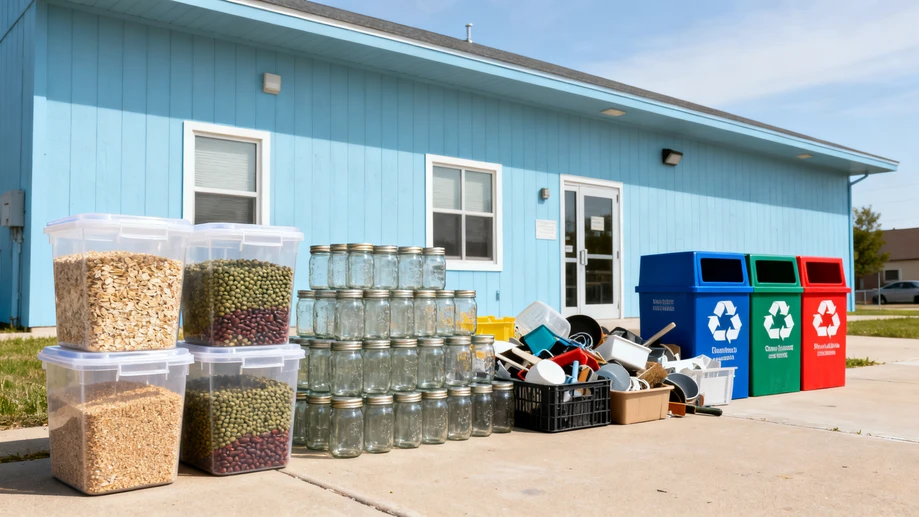
The first swap session held on a rainy Saturday in February drew 37 attendees, far more than the organizers had predicted, and most of them left the two-hour event saying they would come back with more friends the following week. The team set up simple rules that required no complicated registration or membership fees: all bulk goods including whole grains, dried beans, laundry detergent, all-natural hand soap, and beeswax food wraps were sold by weight at nearly cost price, and all gently used household items including children’s picture books, intact kitchen tools, pre-loved kids’ toys and clean cotton textiles could be swapped for free with no cash exchanged at all. No one was forced to bring anything to participate, and locals who could not afford to pay for bulk food items were allowed to take small amounts of staple goods for free with no questions asked. The small community station ran for two hours every Saturday at first, and word of mouth spread so fast that residents from two nearby small towns 20 minutes away started driving over every weekend to join the sessions, bringing their own empty containers and unwanted household goods to contribute to the shared stock.
By the end of June, the volunteer team added an extra three-hour session every Wednesday evening for local residents who worked full time and could not make it to the weekend events, and set up small free stations for used bike parts, fabric scrap for craft projects and broken small home appliance parts that people could pick up to fix their existing items instead of buying new replacements. The latest statistics collected by the volunteer team show that over the past nine months, the initiative has diverted more than 1270 kilograms of plastic packaging that would have gone straight to the local landfill, and kept 712 pieces of fully functional unwanted items out of waste streams for reuse by other local families. The municipal landfill data confirmed that total household waste delivered by Mount Sterling residents dropped by 32 percent compared to the same period last year, and the total amount of plastic waste sent to landfill dropped by 62 percent, hitting a waste reduction target the local government had originally planned to achieve by 2035 more than 10 years ahead of schedule. Even local retirees who had never paid attention to environmental advocacy before started volunteering at the station, noting that the no-package model was exactly the same shopping habit they had grown up with decades ago, before pre-packaged goods became the default choice for every supermarket across the country.
The town government was so impressed by the outcome that it offered a free empty storefront on the town’s main street to the volunteer team for permanent use, waiving all rent and utility fees for the next five years. The team is currently working to expand the program to include a dedicated soft plastic collection point, where locals can drop off all kinds of previously non-recyclable plastic items including bubble wrap, snack bags and courier packaging, which will be shipped to a local processing factory to be melted down and turned into outdoor park benches and protective fences for the town’s public playground. The team is also working with the local elementary school to launch a 30-minute weekly hands-on activity for students, where kids can bring their own clean jars to fill up on bulk snacks and small craft supplies to learn about waste reduction from a young age. Three neighboring counties have already contacted the Mount Sterling volunteer team to request copies of their free operation guide, to launch similar zero-waste swap stations in their own local communities.
The lead volunteer for the project noted in a recent local interview that they never set out to launch a nationally famous environmental campaign, and never spent huge sums of money on fancy high-tech facilities to achieve their results. Most people have long held the misunderstanding that meaningful environmental protection requires huge investments in expensive new energy equipment or completely overhauling their entire lifestyle, but the Mount Sterling case proves that small, consistent changes to daily habits shared by a whole community can generate far more powerful outcomes than any top-down policy alone. The team recently received a small $12,000 grant from the Ohio state environmental protection agency, which they will use to convert an old unused delivery van into a mobile bulk swap station, that will drive out to remote rural communities across the county to offer the same no-package shopping service to families who do not have easy access to the town center.