
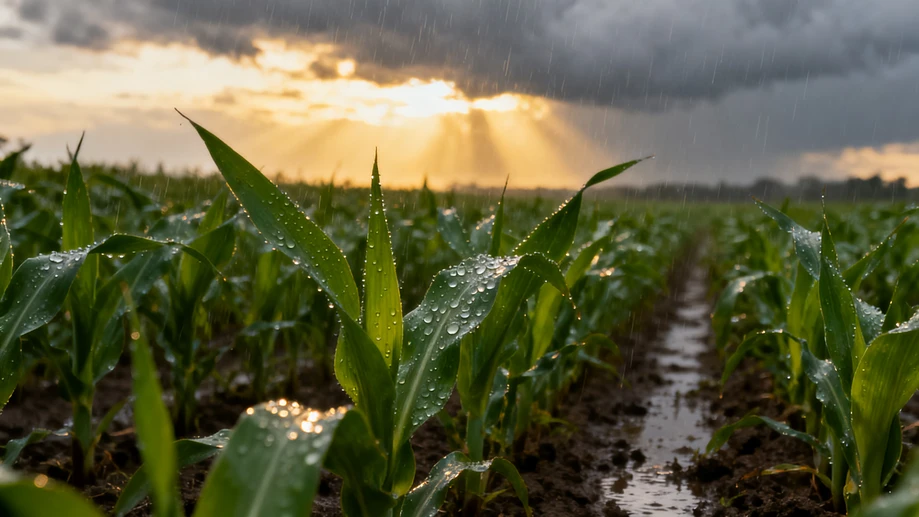
Unbelievable! The Global Water Cycle Powers Your Everyday Meals
Discover how the invisible journey of water from clouds to crops shapes what you eat for breakfast, lunch, and dinner.
Imagine waking up to a steaming cup of coffee—its rich flavor doesn't just come from beans; it's a direct gift from the global water cycle. This natural process, where water evaporates from oceans, forms clouds, rains down, and flows through rivers, is the unsung hero of your daily life. Without it, your morning brew would be impossible, as coffee plants thrive in tropical regions like Brazil or Ethiopia, where rainfall patterns dictate harvests. But the water cycle isn't just about rain; it's a dynamic, planet-wide system that recycles Earth's limited freshwater, ensuring everything from your cereal to your salad has the moisture it needs. Scientists call it the hydrologic cycle, and it's happening right now, invisibly connecting distant continents through evaporation and precipitation. In fact, a single drop in your coffee might have traveled thousands of miles from the Pacific Ocean, cycling through clouds and soil before reaching your cup. This constant movement keeps ecosystems balanced and food chains intact, making it a cornerstone of global sustainability. Yet, most of us take it for granted, unaware that our meals are a delicious result of this intricate dance between sky and earth.
Now, consider how this water cycle directly influences the food on your plate. Agriculture relies heavily on predictable rainfall and irrigation, with over 70% of the world's freshwater used for farming. For instance, the rice in your sushi or the wheat in your bread depends on monsoons in Asia or seasonal rains in the American Midwest. When the cycle falters—say, due to shifting weather patterns—crop yields drop, leading to higher prices and shortages. A vivid example is the recent drought in California, which cut almond production by 15%, making your snack pricier. But it's not all doom; innovations like drip irrigation are helping farmers conserve water, turning arid lands into productive fields. This global web means that a flood in India could affect tea supplies in Europe, while excess rain in Australia might boost avocado harvests for your guacamole. By understanding this, we see how interconnected our diets are with the planet's water flow, urging us to support sustainable farming that respects nature's rhythms.
Climate change is dramatically altering this delicate balance, with rising temperatures accelerating evaporation and disrupting rainfall. In the past decade, extreme events like hurricanes and droughts have doubled, directly impacting water availability. For example, melting glaciers in the Himalayas threaten river flows that irrigate crops for millions in South Asia, potentially reducing rice yields by up to 20% by 2050. This isn't just a future problem; it's happening now. In sub-Saharan Africa, erratic rains have led to failed harvests, pushing families into food insecurity. Yet, there's hope: global efforts like reforestation projects in the Amazon are helping regulate the cycle by increasing cloud formation. As individuals, we can witness this shift through milder winters or unexpected storms, reminding us that every action—from driving less to eating local—contributes to stabilizing the water cycle for future meals.
On a personal level, your daily habits play a surprising role in this global system. Every time you turn on the tap or water your garden, you're part of the water cycle. Simple choices, like fixing leaks or using rainwater barrels, can save thousands of gallons annually, reducing strain on resources. In cities, green roofs and permeable pavements help rainwater seep into the ground, replenishing aquifers instead of causing floods. This isn't high-tech; it's practical, everyday conservation that echoes worldwide. For instance, communities in Spain have revived ancient aqueducts to combat droughts, proving that small steps can have big impacts. By adopting water-wise practices, you're not just cutting bills—you're ensuring that the cycle continues to nourish farms and forests, keeping your pantry stocked with fresh, affordable food.
Ultimately, the global water cycle is a testament to Earth's resilience, but it needs our care to thrive. From the coffee farms of Colombia to the wheat fields of Ukraine, this natural process sustains over 8 billion people, yet pollution and overuse threaten its harmony. Plastic waste in oceans hinders evaporation, while industrial runoff contaminates drinking sources. But positive change is possible: international agreements like the Paris Climate Accord promote water conservation, and grassroots movements inspire innovation. As we sip our morning beverages, let's remember—each drop is a link in a chain that binds us all. By valuing water, we protect not just our meals but the planet's future, turning awareness into action for a healthier, tastier world.