
5 Mind-Blowing Facts About Our Planet's Hidden Waterways
From Underground Rivers to Ocean Currents: The Liquid Highways You Never Knew Existed
Think of Earth's water, and images of vast oceans, mighty rivers, or serene lakes likely come to mind. But beneath the surface and coursing through the deep, an intricate, largely invisible network of liquid highways shapes our climate, ecosystems, and even our daily lives in ways we rarely consider. This hidden circulatory system, far more complex and extensive than the veins and rivers we see, is constantly moving, connecting continents, and influencing everything from the weather to the food on your plate.
Beneath your feet, vast reservoirs of freshwater flow silently through porous rock and sediment. These aquifers, immense underground layers of water-bearing rock, hold more than 20 times the volume of all the world's rivers and lakes combined. They are the primary source of drinking water for billions and sustain agriculture globally. Yet, we are depleting them at an alarming rate, often pumping out ancient "fossil water" that took millennia to accumulate. In places like Mexico's Yucatan Peninsula, rainwater has dissolved limestone over eons, creating a spectacular labyrinth of flooded caves and underground rivers known as cenotes, forming a unique and fragile freshwater ecosystem hidden from the sun.
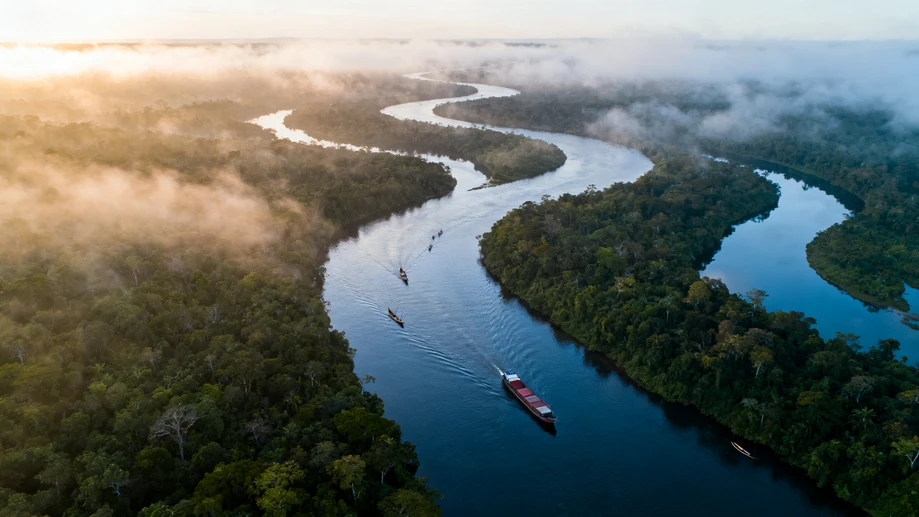
Above ground but often unseen in their entirety, mighty rivers like the Amazon, Congo, and Mekong act as colossal arteries, transporting nutrients, sediments, and life across continents. The Amazon alone discharges more water into the Atlantic Ocean than the next seven largest rivers combined. But the real giants are the ocean currents. Imagine a river within the sea, 100 times the volume of all land rivers combined: the Antarctic Circumpolar Current. This titanic flow perpetually circles Antarctica, acting as Earth's most significant climate regulator by connecting the Atlantic, Pacific, and Indian Oceans and distributing heat and cold globally. The Gulf Stream, its warm-water counterpart in the North Atlantic, is why Europe enjoys milder winters than Canada at similar latitudes.
These hidden waterways are not passive features; they are dynamic forces driving global systems. Ocean currents, powered by wind, temperature, and salinity differences, create massive conveyor belts redistributing heat. This thermohaline circulation takes centuries for a single loop but is crucial for stabilizing global climate patterns. Disruptions, potentially triggered by melting polar ice altering ocean salinity, could have profound consequences. Similarly, underground rivers influence land stability and nutrient cycles. When we over-pump aquifers, we don't just risk water scarcity; we can cause the land above to sink dramatically, a problem plaguing cities from Jakarta to Mexico City.
Human activity is profoundly impacting these vital systems. Pollution from agriculture, industry, and plastic waste flows downstream, poisoning rivers and eventually concentrating in ocean gyres. Dams fragment river ecosystems, blocking migratory fish and altering sediment flows crucial for deltas and coastlines. Climate change warms oceans, potentially weakening major currents and altering rainfall patterns fed by evaporation from these vast water bodies. Even our groundwater extraction changes the weight distribution on the planet's crust, subtly influencing its rotation. Protecting these hidden waterways isn't just about conservation; it's about safeguarding the fundamental planetary processes that sustain human civilization. Understanding their unseen flow is the first step towards respecting their power and ensuring their health for generations to come.