
Five Incredible Ways Recycling Is Reshaping Our Planet
Uncover the surprising transformations turning everyday waste into global treasures.
Imagine a world where your discarded plastic bottle becomes a cozy sweater, or your old smartphone fuels the next tech revolution. This isn't science fiction—it's the thrilling reality of global recycling efforts that are quietly revolutionizing our daily lives. From bustling cities to remote villages, innovative systems are tackling the mountain of waste we generate, turning trash into valuable resources. The journey begins with simple actions: sorting your recyclables at home or choosing reusable bags. But it scales up to international collaborations, like the European Union's push for circular economies, where nothing goes to landfill. These efforts aren't just eco-friendly; they're economic powerhouses, creating jobs and slashing pollution. As we dive into five astonishing facts, you'll see how recycling is more than a chore—it's a global adventure that connects us all.
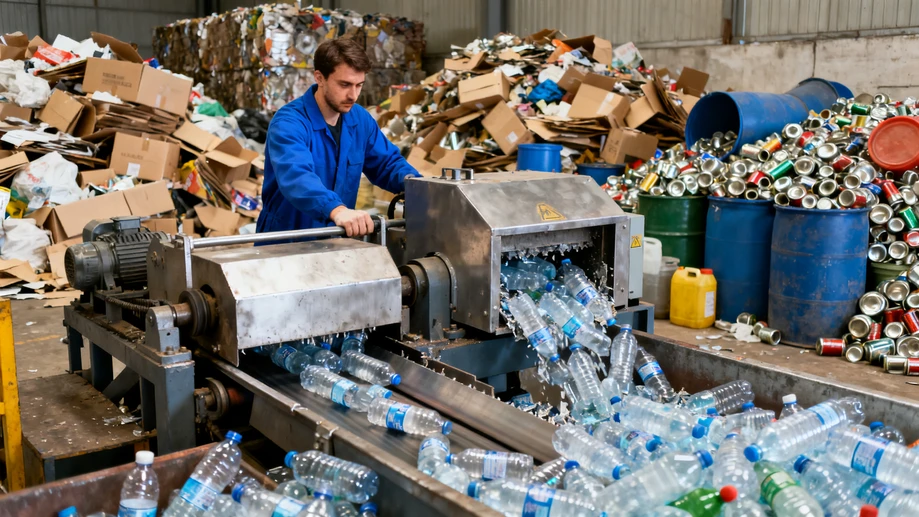
First, plastic bottles are morphing into high-fashion apparel at an astonishing rate. Companies like Patagonia and Adidas have pioneered techniques to shred and melt down PET bottles, spinning them into durable threads for clothing. A single bottle can yield enough fabric for a T-shirt, and globally, this process diverts millions of tons from oceans annually. In countries like India, informal networks of waste pickers collect bottles from streets, earning a livelihood while feeding industrial hubs. This isn't just recycling; it's a stylish revolution that's reducing fashion's carbon footprint by up to 30%. Next time you slip on a recycled fleece, remember: it started as someone's soda container.
Second, electronic waste is a goldmine—literally. Old phones, laptops, and gadgets contain precious metals like gold, silver, and copper, worth billions if recovered. In places like Ghana and Japan, advanced facilities use safe methods to extract these metals, preventing toxic leaks into soil and water. For instance, one ton of discarded smartphones yields more gold than a ton of mined ore. This "urban mining" boom is fueled by rising demand for tech, with global recycling rates for e-waste doubling in the past decade. It's a win-win: less environmental harm and a steady supply of raw materials. Your outdated device might just be funding the next innovation.
Third, food scraps are being reborn as nutrient-rich compost on a massive scale. Cities like San Francisco and Seoul have implemented mandatory composting programs, where banana peels and coffee grounds transform into fertilizer for farms. This process cuts methane emissions from landfills by 90%, while enriching soil to grow healthier crops. In developing regions, community-led initiatives turn organic waste into biogas for cooking, reducing reliance on fossil fuels. The scale is mind-boggling: a single household's weekly scraps can nourish an entire garden plot. It's a delicious cycle that feeds both people and the planet.
Fourth, cutting-edge technologies are making recycling smarter and more efficient. AI-powered robots, like those in German recycling plants, sort materials with precision, identifying and separating plastics at lightning speed. Meanwhile, chemical recycling breaks down complex items like diapers or car tires into raw chemicals for reuse. Innovations like these are spreading fast, with startups in Kenya using solar-powered shredders to process waste in off-grid areas. The result? Recycling rates have soared, with some nations achieving over 50% diversion from landfills. This tech wave isn't futuristic—it's here, making waste management as routine as checking your email.
Finally, individual actions are amplifying into global movements. From schoolchildren organizing beach cleanups to apps that reward recycling with points, grassroots efforts are driving change. Social media campaigns, like #TrashTag, have gone viral, inspiring millions to pick up litter and share their stories. Governments and corporations are listening, with policies like plastic bans and incentives for sustainable packaging. The impact is tangible: oceans are seeing fewer plastic patches, and carbon footprints are shrinking. As we wrap up, remember that every recycled item is a step toward a cleaner, fairer world. Join the revolution—it starts with you.