
5 Surprising Ways Climate Change Is Altering Your Morning Coffee
The hidden global drama brewing in your cup
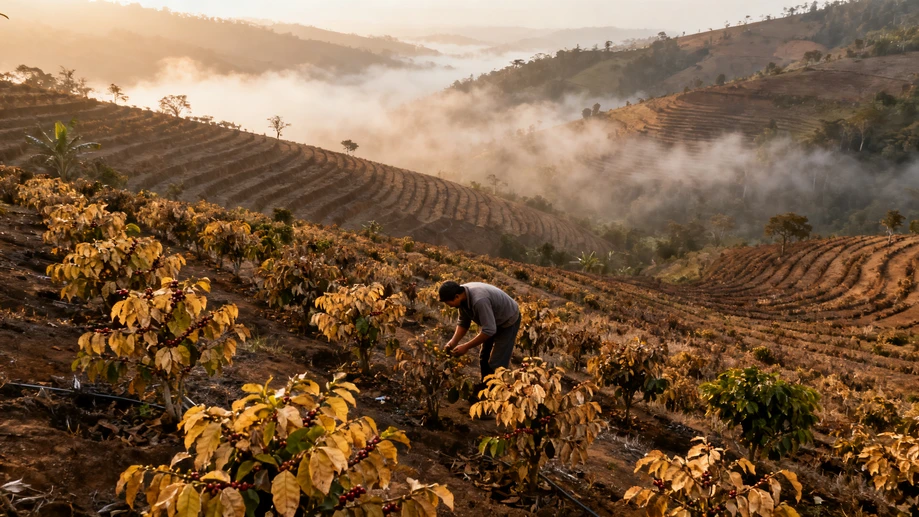
Imagine your favorite morning ritual under threat. Coffee, the world's most beloved beverage, faces unprecedented challenges as rising temperatures and erratic weather patterns reshape its journey from tropical highlands to your kitchen. Scientists from Colombia to Vietnam report harvests arriving weeks earlier than historical records, while unpredictable rainfall creates chaos for flowering cycles. The delicate arabica beans preferred by specialty roasters prove especially vulnerable, forcing farmers to climb higher slopes seeking cooler air. This global reshuffling goes beyond flavor shifts—entire agricultural economies face disruption as traditional coffee-growing zones become unsuitable. The aromatic steam rising from your mug now carries the invisible footprint of a changing planet.
Higher altitudes mean more than just relocation. Plants growing in thinner mountain air produce fewer cherries, while intensified ultraviolet radiation alters bean chemistry. Researchers measuring caffeine and chlorogenic acid levels found significant variations between current and decade-old harvests at identical farms. Your dark roast might soon pack less punch, as warming temperatures reduce caffeine concentration by up to 15%. Even texture changes are emerging: Brazilian cooperatives report beans drying too quickly under extreme heat, causing brittleness that shatters during grinding. The thermodynamic dance between water temperature and extraction time? Baristas worldwide are recalibrating their techniques as bean density fluctuates seasonally.
Nature's uninvited guests thrive in the chaos. Coffee leaf rust fungus, historically confined to low elevations, now ravages plantations 1,000 feet higher than its previous limits. In Central America alone, outbreaks have increased 85% since 2010. Meanwhile, the notorious coffee berry borer beetle reproduces three generations annually instead of two in warmer conditions. These pests cost farmers $500 million yearly—a bill inevitably passed to consumers. Countermeasures spawn ecological dilemmas: Shade-grown coffee protects against temperature spikes but increases humidity that molds beans. The organic vs. pesticide debate grows fiercer as harvests hang in the balance.
Smallholders bear the brunt while adapting creatively. Guatemalan farmers now intercrop coffee with avocado trees as insurance against crop failure. Ethiopian growers revived ancestral heirloom varieties forgotten during decades of monoculture. Technology offers partial solutions: solar-powered moisture sensors prevent over-drying in Kenya, while blockchain helps Mexican cooperatives market climate-resilient beans to eco-conscious buyers. Yet adaptation has limits—over 40% of current coffee farmland could become unsuitable by 2050. The economic domino effect hits harvest workers first, then roasters, and eventually, your wallet. Sustainable initiatives like "suspended coffee" programs, where customers prepay drinks for struggling producers, reveal the deepening interdependence along the supply chain.
Your daily cup holds unexpected climate solutions. Coffee waste transforms into biofuels powering Colombian processing plants, while recycled grounds become carbon-absorbing garden compost. Urban vertical farms now grow coffee in controlled environments from Brooklyn to Singapore—using 90% less water than traditional methods. Consumer choices drive change too: supporting bird-friendly certified coffee preserves habitats that store atmospheric carbon. The ritual that jumpstarts your mornings now serves as a tangible climate connector, linking your kitchen to farmers struggling at the equator. That thoughtful sip represents more than caffeine—it's participation in humanity's greatest adaptation story, brewing one cup at a time.