
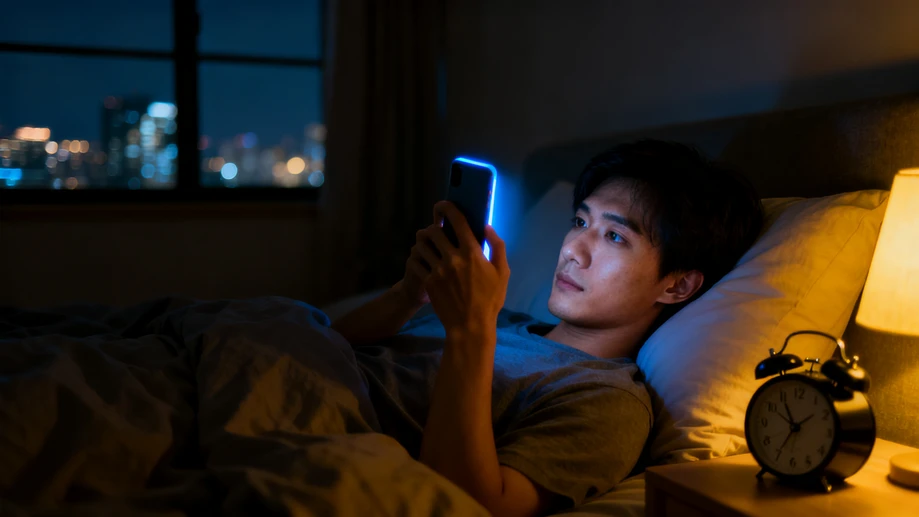
Is Your Smartphone Stealing Your Sleep?
Exploring the Global Science Behind Screen Time and Rest
In today's hyper-connected world, smartphones have become our constant companions, but could they be silently robbing us of precious slumber? Across continents, from bustling Tokyo to serene Copenhagen, people are reporting shorter, poorer-quality sleep, and researchers are pointing fingers at digital devices. Studies show that over 60% of adults worldwide use their phones within an hour of bedtime, a habit linked to increased insomnia rates. This isn't just a personal nuisance—it's a global health crisis. Sleep deprivation costs economies billions annually in lost productivity, with countries like the U.S. and Japan facing the steepest tolls. As screens glow in bedrooms everywhere, scientists warn that our nightly scrolls might be setting off a chain reaction of fatigue, affecting everything from mental sharpness to immune function. The irony? We're glued to devices promising connection, yet they're disconnecting us from the restorative rest our bodies crave.
Diving into the science, the blue light emitted by smartphones and tablets plays a villainous role. This artificial glow mimics daylight, tricking our brains into suppressing melatonin, the hormone that signals sleepiness. Neuroscientists explain that exposure to blue light in the evening delays the onset of sleep by up to an hour, disrupting our natural circadian rhythms. Experiments reveal that even a brief late-night email check can reset our internal clocks, making it harder to fall asleep. But it's not just about light—the content itself fuels anxiety. Scrolling through social media or news feeds triggers stress responses, elevating cortisol levels and keeping minds racing. Globally, data from the World Health Organization highlights a 20% rise in sleep disorders over the past decade, with teens and young adults hit hardest. In South Korea, where smartphone penetration tops 95%, sleep surveys show average nightly rest dropping below seven hours, far short of the recommended eight. This isn't mere coincidence; it's a biological betrayal engineered by our pocket-sized gadgets.
Cultural differences add fascinating layers to this sleep saga. In Spain, the tradition of siesta offers daytime naps to counter late-night screen use, yet urban youth are abandoning it for digital marathons. Meanwhile, Scandinavian countries like Sweden champion "friluftsliv" (outdoor living), encouraging device-free evenings to sync with natural light cycles—a practice linked to their higher sleep quality scores. Contrast this with India, where rapid tech adoption clashes with ancient Ayurvedic principles emphasizing early bedtimes; now, cities like Mumbai report soaring rates of sleep apnea. Travelers often experience jet lag's disorientation, but constant screen exposure creates a "digital jet lag" that's equally disorienting. Surveys by global sleep foundations reveal that while Americans prioritize sleep-tracking apps, Japanese workers rely on power naps during commutes, showcasing diverse coping mechanisms. Yet, the universal thread? A shared struggle against the glow that knows no borders, turning bedrooms into battlegrounds for rest.
The consequences ripple far beyond groggy mornings. Chronic sleep loss, amplified by screen habits, is tied to serious health issues like obesity, diabetes, and heart disease. Epidemiologists note a spike in these conditions in nations with high device usage, such as the UK and China. On a cognitive level, sleep-deprived brains show reduced memory consolidation—students cramming on tablets often recall less the next day. Emotionally, it fuels irritability and depression; therapists worldwide report clients citing "phone anxiety" as a sleep disruptor. Economically, the impact is staggering: the Rand Corporation estimates that insufficient sleep drains $680 billion annually from global GDP through accidents and inefficiency. Real-life stories abound, like Maria from Brazil, who cut screen time and saw her migraines vanish, or Kenji in Japan, whose productivity soared after ditching his bedtime gaming ritual. These aren't isolated cases; they're microcosms of a larger epidemic where screens steal not just sleep, but vitality.
Fighting back requires simple, actionable strategies rooted in science. Start by setting a "digital sunset"—power down devices an hour before bed, replacing them with calming rituals like reading a physical book or sipping herbal tea. Use features like night mode to reduce blue light, but experts warn it's not a cure-all; better to keep phones out of the bedroom entirely. For night owls, gradual adjustments work best: shift screen curfews by 15 minutes nightly. Embrace global wisdom, such as Denmark's "hygge" approach with cozy, tech-free evenings or Mexico's family-centric dinners that foster connection without screens. Apps like SleepCycle can help track patterns, but real change comes from behavioral shifts. Employers are joining in, with companies in Germany implementing "right to disconnect" policies to protect workers' rest. Remember, small changes yield big rewards: studies show that even a week of reduced screen time can reset sleep cycles, boosting energy and focus. It's a global movement toward reclaiming the night.
In the end, the question isn't whether smartphones are stealing sleep—it's how we can outsmart them. By understanding the science and adopting global best practices, we can transform our relationship with technology. Prioritize rest as a non-negotiable pillar of health, much like diet and exercise. As societies wake up to this issue, innovations like "sleep-friendly" phone designs are emerging, but the real power lies in our hands. Unplug to recharge, and watch as the world sleeps sounder, one night at a time.