
5 Surprising Things You Flush That Are Secretly Saving the Planet
From Toilets to Oceans: How Unlikely Heroes Are Fighting Climate Change
Forget superheroes in capes—the real climate warriors might be swirling down your drain right now. Scientists are uncovering a hidden world within our wastewater systems where everyday flushes are transforming into unexpected environmental assets. That morning coffee residue? It’s fueling bacteria that generate electricity. Leftover cooking oil? Getting converted into clean biodiesel for city buses. Even human waste is being repurposed into nutrient-rich fertilizer, closing the loop on food production. This "circular sanitation" revolution is turning pollution headaches into planet-saving solutions, one flush at a time.
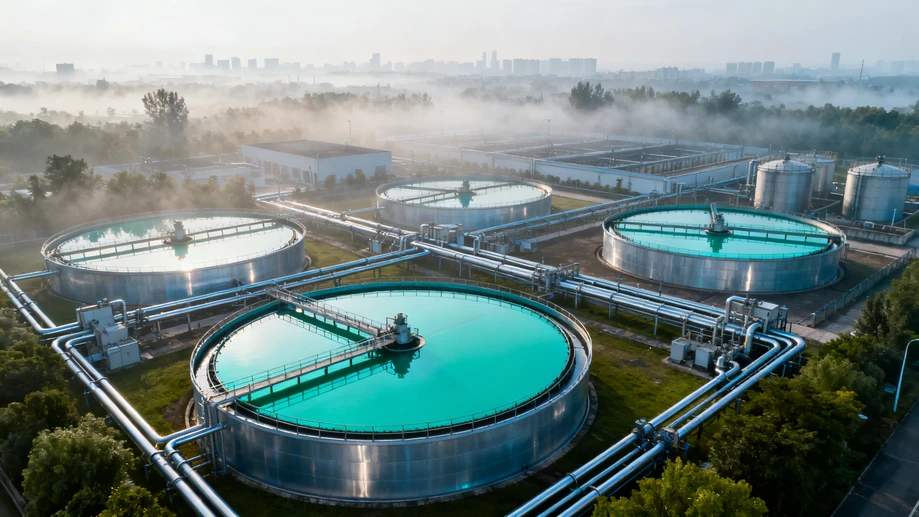
Microbes are the unsung heroes in this process. Specialized bacteria in treatment plants feast on organic waste, breaking it down while producing biogas—a renewable energy source. In Oslo, Norway, sewage sludge powers 80 city buses, cutting emissions equivalent to taking 10,000 cars off the road annually. Meanwhile, London’s Crossness plant harnesses enough heat from wastewater to warm 2,000 homes. "It’s like mining gold from what we once threw away," says Dr. Lena Schmidt, a water resource engineer. "The energy and nutrients locked in wastewater are immense—we’re just learning to unlock them."
Your bathroom isn’t the only surprise eco-zone. Kitchen sinks play a starring role too. Food scraps sent through garbage disposals become biogas feedstock, while "fatbergs"—once notorious for clogging sewers—are now harvested for biofuel production. In South Korea, districts using food waste digesters have slashed landfill use by 30%. Even laundry water joins the party: Phosphorus recovered from detergent-laden wastewater is recycled into agricultural fertilizer, reducing demand for destructive phosphate mining.
The tech behind this is getting smarter. New filtration systems capture microplastics from washing machine runoff before they reach oceans. In California, "smart sewers" with sensors detect chemical leaks in real-time, protecting aquatic ecosystems. Singapore’s NEWater plants purify wastewater to drinking standards using advanced membranes, easing freshwater scarcity. "It’s not magic—it’s microbiology and engineering working together," explains Carlos Mendez, a sanitation specialist. "Nature treats water naturally; we’re just accelerating the process with innovation."
So next time you press that lever or turn the faucet, remember: You’re not just disposing—you’re contributing to an invisible recycling network. Supporting municipal upgrades and reducing harmful products (like wet wipes or medications flushed down drains) keeps this system thriving. As cities from Tokyo to Amsterdam prove, reimagining waste as a resource could light up homes, grow greener crops, and protect our blue planet—all starting from the humble pipe beneath your feet.