
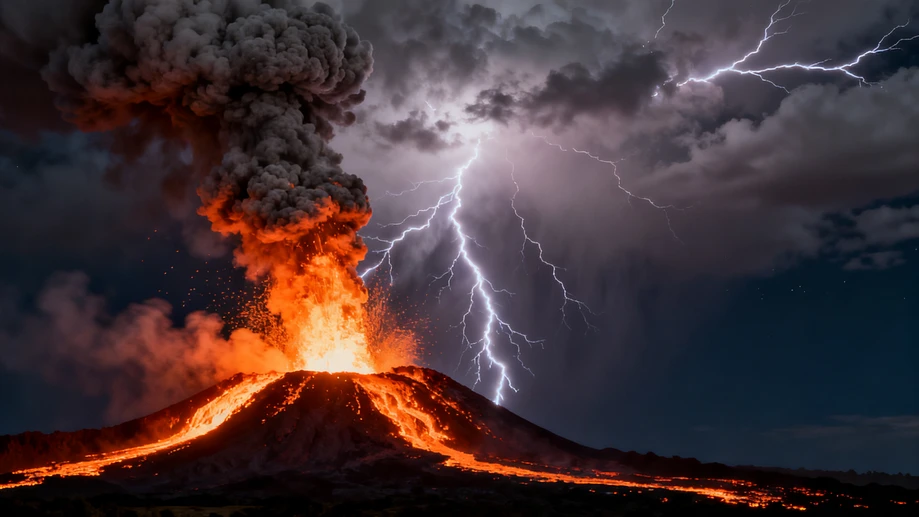
The Electrifying Spectacle of Volcanic Lightning!
Unveiling the shocking natural phenomenon that illuminates eruptions with jaw-dropping bolts of electricity.
Imagine standing at a safe distance from a roaring volcano, only to witness jagged bolts of lightning crackling through the ash-filled sky—this is volcanic lightning, a breathtaking display that turns eruptions into electrifying performances. Unlike everyday thunderstorms, this phenomenon occurs specifically during volcanic explosions, where immense plumes of ash and gases create a chaotic dance of static electricity. Scientists were baffled for centuries, as ancient myths attributed it to angry gods, but modern observations reveal it's pure physics. This rare event captures global attention for its sheer unpredictability and raw power, making it a must-see for adventurous travelers and nature enthusiasts alike. In fact, it was only in the 2000s that researchers began documenting it reliably, turning what was once a ghostly tale into a fascinating reality. From remote islands to towering mountains, volcanic lightning reminds us that Earth's natural forces can produce surprises far beyond our daily lives, sparking wonder without any need for sci-fi exaggeration.
So, how does this electrifying show actually work? The secret lies in the violent mixing of ash particles during an eruption. As molten rock bursts from the earth, it shatters into tiny fragments that collide at high speeds, generating static electricity through friction—similar to rubbing a balloon on your hair. These charged particles separate into positive and negative zones within the ash cloud, creating massive electric fields. When the voltage difference becomes too great, it discharges as lightning, illuminating the smoky darkness in spectacular flashes. This process, known as triboelectrification, occurs within minutes of an eruption and can produce hundreds of strikes an hour. Field studies using high-speed cameras and sensors have shown that the lightning bolts are often hotter than the surface of the sun, reaching over 30,000 degrees Celsius. Yet, it's surprisingly common; about 75% of major eruptions exhibit some form of this phenomenon, turning each event into a natural laboratory for understanding atmospheric electricity. As a result, volcanic lightning offers a thrilling glimpse into how everyday physics can create extraordinary visuals, all while staying grounded in real-world science.
One of the most famous occurrences of volcanic lightning happened during the 2010 eruption of Iceland's Eyjafjallajökull, where brilliant bolts lit up European skies and grounded flights across continents—a vivid reminder of nature's interconnected chaos. This event wasn't isolated; back in 79 AD, Pliny the Younger described similar flashes during Mount Vesuvius' catastrophic eruption, which preserved Pompeii in ash. Fast-forward to modern times, and Chilean volcanoes like Calbuco have staged electrifying shows, photographed by amazed locals. The drama of these events isn't just about danger; it has practical implications. Monitoring volcanic lightning helps predict eruption severity and ash dispersal, aiding aviation safety by alerting pilots to avoid hazardous zones. For the average person, this phenomenon connects to everyday life through weather apps and news reports that track such events. It’s a global spectacle: from Japan's Sakurajima to Indonesia's Mount Sinabung, these eruptions transform into public spectacles, often shared on social media. Each lightning strike carries a story of Earth's restless energy, making it a captivating topic for scientists and casual observers, all without stepping into fantasy realms.
Why should this electrifying display matter to you in your daily routine? Beyond the awe factor, volcanic lightning serves as a natural alert system, signaling the start of major eruptions that can impact climate and air travel—think of how airline disruptions during events like Iceland's Grímsvötn in 2011 affected global travelers. It's also a reminder of Earth's delicate balance; the same physics that powers this phenomenon can be seen in smaller-scale events, like static shocks from doorknobs on dry days. Studying it has led to innovations in storm prediction and renewable energy research, showing how understanding such extreme events can benefit humanity. For instance, data from volcanic lightning helps improve weather models, reducing risks in storm-prone areas. Best of all, this wonder is accessible to anyone with an internet connection; platforms like NASA's Earth Observatory stream live footage, turning a distant phenomenon into a shared experience. So next time you hear about a volcanic eruption, remember that it might include a free light show—one that underscores the unexpected beauty in our natural world, all while fitting snugly into real life.