
Who Knew Ordinary Sidewalks Could Cut Your Monthly Utility Bills In Half?
Many small, unnoticeable new energy applications have blended into daily public spaces and private homes for years, bringing tangible savings and low-carbon benefits that most people never get to notice.
When most people hear the phrase new energy, their first thought often jumps to endless stretches of dark solar panels spread across sun-baked deserts, or massive wind turbines spinning slowly far out on the open sea. Few of us connect the concept to the sidewalk we step on every morning, or the parking spot we pull into after work, or even the window we look out of while sitting in our office cubicle. These hidden, low-profile new energy designs do not make flashy headlines on news broadcasts, but they work nonstop around the clock, turning trivial scraps of energy that would otherwise go to waste into usable power for our daily lives. Back in 2021, a local community in east London rolled out a 120-meter stretch of modified sidewalk embedded with small piezoelectric panels, which convert the tiny kinetic energy generated by every footstep into stored electricity. Over the first full year of operation, this short stretch of footpath collected more than 720 kWh of power, enough to run all the street lamps along the block for 14 full hours every night, and eliminate the need to draw any extra power from the public grid for that section of street lighting. The entire system cost less than replacing the old sidewalk with regular paving stones, and it required zero extra maintenance work in the first three years of operation.
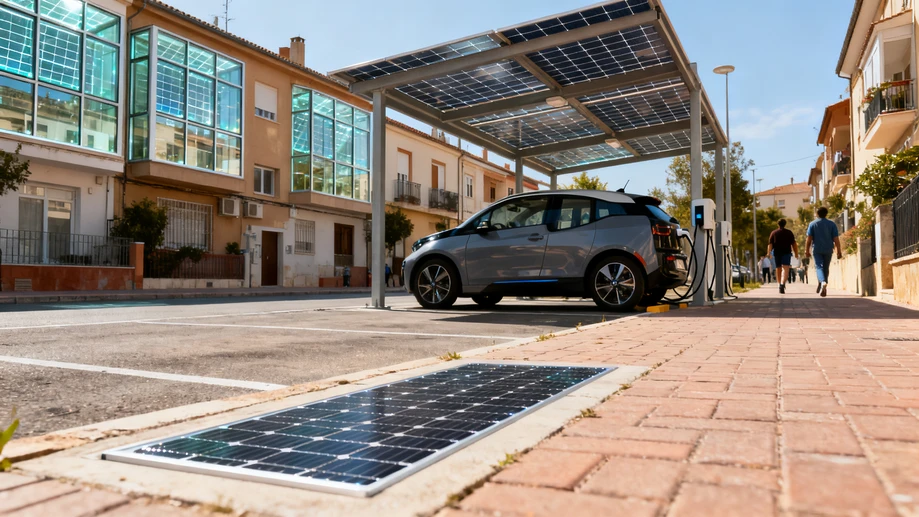
Another far more common hidden new energy design that most people have walked past without a second glance is the solar powered carport that now sits above thousands of community parking lots across the world. Unlike bulky, ground-mounted solar farms that take up large stretches of unused land, these carports are built directly on top of existing parking spaces, doing double duty by shielding car owners from the scorching summer sun that pushes car interior temperatures up to 70 degrees Celsius in just an hour, while generating large amounts of clean electricity at the same time. A typical 20-space community solar carport can generate over 12,000 kWh of electricity every year, enough to cover 100 percent of the power used by the community elevator systems, corridor lighting, and outdoor surveillance cameras, with extra leftover power fed back into the local grid to offset a portion of each household’s utility bill. A residential community in Hangzhou, China, installed a set of these carports in 2022, and residents found their monthly property management fee deduction from excess solar power worked out to around 35 yuan per household, adding up to more than 400 yuan of extra savings each year with zero extra effort or cost on their part. For families that own electric vehicles, they can even plug their cars into the charging ports built right under the carport, and fill their battery for free using the sun power collected right above their parking spot.
Transparent solar window glass is another new energy technology that has moved out of niche trial stages and into ordinary residential and office buildings over the past two years. Unlike the dark, opaque silicon solar panels people are familiar with, this new generation of photovoltaic glass is almost 90 percent transparent, looks nearly identical to regular clear window glass, and lets the full spectrum of natural visible light pass through to light up indoor spaces, while absorbing infrared and ultraviolet light to generate electricity on its own. The glass also blocks more than 80 percent of outdoor heat transfer, which cuts down the amount of work air conditioning systems have to do during hot summer days by a noticeable margin. A 28-story office building in Shenzhen retrofitted all its existing floor-to-ceiling windows with this transparent solar glass in 2023, and after six months of data tracking, the property management team found that the building’s total air conditioning power consumption dropped by 24 percent, and the electricity generated by the windows covered 18 percent of the building’s overall public power usage. Tenants of the office spaces reported no difference in the quality of natural light they received indoors, and many said their desks no longer got uncomfortably hot from direct midday sun even without drawing curtains.
Ground source heat pump systems, a new energy tech that has been in widespread civilian use for more than 20 years, are also becoming a standard feature in most newly built residential communities across many regions. The core logic behind the system is extremely simple: 10 meters below the ground surface, the temperature stays at a steady 16 to 18 degrees Celsius all year round, no matter how hot or cold the weather gets above ground. The system circulates water through buried pipes to draw mild heat from the ground during winter, and moves excess indoor heat back down into the cool ground during summer, creating a gentle, even indoor temperature without the need for traditional gas-fired heating or high-power electric air conditioning. The total operating cost of a ground source heat pump system is around 45 percent lower than the combined cost of running a regular air conditioner and a home gas heater for a full year, and it eliminates all risks of gas leaks or incomplete combustion for households. Many families that have installed the system report their annual home climate control costs fall to less than 300 dollars, far lower than the 600 to 700 dollar average for households that rely on traditional heating and cooling solutions.
What is most surprising about all these widely used new energy designs is that none of them require people to make huge, drastic changes to their existing daily routines. You do not need to buy expensive specialized equipment for your home, or rearrange your schedule to fit the operations of the new energy systems. All of them quietly do their jobs in the background, harvesting small amounts of wasted energy from footsteps, sunlight, and stable underground temperature, and pass the savings directly back to ordinary residents. New energy is no longer a grand, distant industrial project that only exists in faraway wilderness areas, it has already seeped into every small corner of the daily life you live, and is helping you cut costs and protect the environment one quiet, unnoticeable step at a time.