
Is Our Planet Breathing Heavier Than Ever?
Unveiling the quirky ways climate change sneaks into your daily coffee, commute, and couch time.
Picture this: you're savoring your morning brew, blissfully unaware that the coffee beans journeyed from a far-off farm where shifting rains and heatwaves are turning harvests into a high-stakes gamble. Climate change isn't just melting glaciers or fueling wildfires—it's a stealthy intruder in your everyday life, reshaping routines from the kitchen to the commute. Global temperatures have risen by about 1.2°C since pre-industrial times, and this subtle shift is weaving itself into the fabric of our days. Think of it as a planetary sigh, growing heavier with each passing year. Farmers in Brazil now battle erratic seasons that threaten your favorite arabica beans, while urban dwellers face longer allergy seasons as warmer air extends pollen counts. It's a global game of dominoes, where a heatwave in one corner triggers price hikes in your grocery store. But here's the twist: this isn't doom and gloom; it's a call to curiosity. By spotting these hidden threads, we can turn mundane moments into mini-adventures in understanding our world.
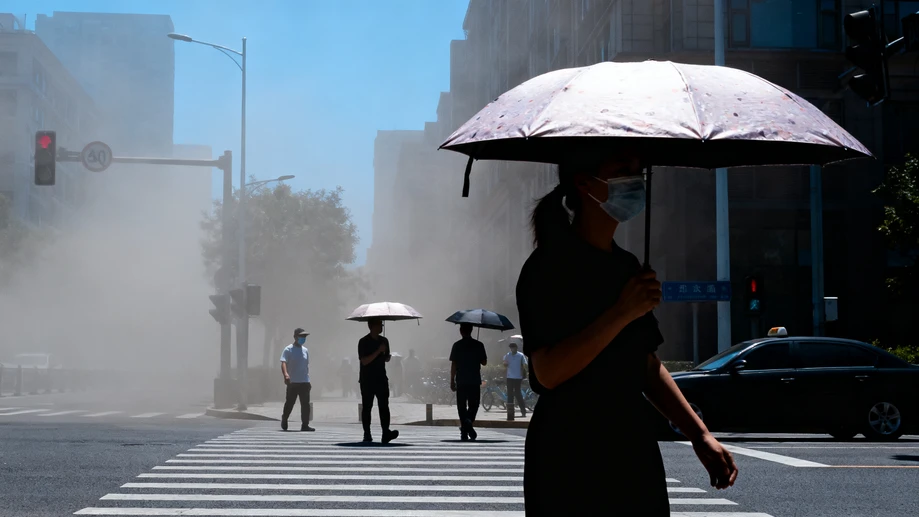
Dive into the science, and it's surprisingly simple yet profound. Greenhouse gases like carbon dioxide act like a cozy blanket around Earth, trapping heat and driving up average temperatures. This isn't sci-fi—it's backed by decades of data from satellites and weather stations. The result? More frequent and intense extreme weather events. Heatwaves scorch cities, pushing air conditioning use to record highs and straining power grids. In 2023, Europe saw its hottest summer on record, leading to widespread disruptions. Meanwhile, heavy rainfall floods farmlands, delaying shipments of everyday goods like fruits and grains. On the flip side, some regions face droughts that turn rivers to trickles, impacting everything from hydroelectric power to your shower water pressure. It's a global ripple effect: a drought in California might mean pricier almonds in your snack aisle, while flooding in Southeast Asia could delay smartphone parts. This interconnectedness highlights how climate change isn't a distant headline; it's the unseen hand tweaking your thermostat and wallet.
Globally, these shifts are rewriting the script of daily life in unexpected, often quirky ways. Take your commute: rising sea levels and stronger storms are causing more road closures and transit delays. Cities like Miami now install pumps to combat routine flooding, turning streets into temporary canals. Or consider your home comfort—warmer winters mean less heating, but hotter summers spike cooling costs, with global energy demand for air conditioning projected to triple by 2050. Even leisure time gets a twist: ski resorts face shorter seasons due to less snow, while beachgoers encounter stronger UV rays requiring extra sunscreen. Food isn't spared either; coffee production could drop by 50% in key regions by 2050, threatening your caffeine fix. And it's not just humans—wildlife adapts too, with birds migrating earlier or pests like mosquitoes expanding territories, bringing diseases closer to home. These changes create a tapestry of adaptation, where communities worldwide innovate, from Dutch engineers building floating houses to African farmers using drought-resistant crops. It's a testament to human resilience, turning challenges into chances for creativity in our shared global village.
On a personal level, climate change is like a quiet roommate, influencing health and habits without fanfare. Health impacts are real and relatable: longer allergy seasons mean more sneezes and itchy eyes as pollen counts soar. Heat stress becomes a summer hazard, especially for outdoor workers or the elderly, leading hospitals to prepare for surges in heat-related illnesses. Even your sleep suffers—warmer nights disrupt rest, with studies showing a 3% increase in sleep disturbances per degree of warming. Daily routines adapt subtly; you might swap driving for biking to cut emissions, or install smart thermostats to save energy. Shopping habits evolve too, as supply chain snarls from climate events make local produce a smarter choice. And let's not forget mental health—eco-anxiety is on the rise, with people feeling overwhelmed by environmental news. Yet, this sparks positive shifts, like communities forming climate action groups or apps that track carbon footprints. It's empowering to realize that small, everyday choices, like opting for reusable bags or unplugging devices, contribute to a bigger solution. By weaving climate awareness into our lives, we transform fear into fun, turning each action into a step toward a cooler planet.
So, what's the way forward? Solutions are sprouting globally, blending innovation with simplicity. Renewable energy sources, like solar and wind, are booming, providing cleaner power for homes and electric vehicles. In 2022, renewables supplied over 30% of global electricity, a number set to rise. Sustainable farming techniques, such as vertical gardens in cities or drought-resistant crops, ensure food security while reducing emissions. Policy plays a role too, with international agreements like the Paris Accord driving collective action. But the real magic happens at the grassroots: individuals adopting low-carbon diets, companies pledging net-zero goals, and schools teaching climate literacy. Technology aids this, with apps that monitor energy use or platforms connecting global volunteers for reforestation. It's not about perfection; it's progress through collective baby steps. By embracing these changes, we build resilience—cities plant more trees for shade, homes use rainwater harvesting, and communities share resources. This collaborative spirit turns the climate challenge into an opportunity for innovation, proving that every small act adds up to a giant leap for humankind.
Ultimately, recognizing climate change's role in our routines isn't about fear—it's about curiosity and connection. It transforms the ordinary into the extraordinary, revealing how a warming planet links your morning toast to a farmer's struggle continents away. This awareness fosters adaptation: we design cooler urban spaces, support green businesses, and celebrate wins like cleaner air from reduced emissions. Globally, this shift unites us, inspiring stories of resilience from Pacific islands building seawalls to European cities creating car-free zones. The key is balance—acknowledging risks while focusing on hopeful actions. As individuals, we can reduce waste, advocate for policies, and spread knowledge through chats with friends. Together, these efforts weave a safety net for the future, turning the planet's heavier breaths into a rhythm we can dance to. So, next time you sip that coffee or dodge a puddle, remember: you're part of a grand, global story, and every choice helps write a cooler, brighter chapter.