
Five Shocking Truths About Ocean Plastic Pollution That Will Make You Rethink Everything
Discover how plastic waste is silently transforming our world and what you can do about it.
Imagine walking on a beach, only to find it littered with plastic bottles, bags, and tiny fragments shimmering in the sun. This isn't a scene from a dystopian movie—it's our reality today. Plastic pollution has exploded into a global crisis, with over 8 million tons of plastic dumped into oceans annually. From remote islands to bustling cities, discarded plastic is choking waterways, harming wildlife, and seeping into our daily lives. Scientists warn that if current trends continue, there could be more plastic than fish in the sea by 2050. But why should we care? Because this invisible enemy affects everything from the air we breathe to the food on our plates. It's a problem that transcends borders, demanding urgent action from individuals and nations alike. The good news? Understanding the scale is the first step toward change, and the latest discoveries reveal both the dangers and the hope.
First, microplastics are everywhere, even inside us. These tiny particles, smaller than a grain of rice, break down from larger plastic items and infiltrate ecosystems. Recent studies show that microplastics have been found in human blood, lungs, and even placentas, posing unknown health risks like inflammation and hormone disruption. How do they get there? Through everyday items like bottled water, seafood, and household dust. For instance, a single load of laundry can release thousands of microfibers into water systems, eventually reaching oceans and entering the food chain. This isn't just a coastal issue; microplastics have been detected in rainwater and Arctic ice, proving their global reach. The shocker? An average person ingests about a credit card's worth of plastic each week through consumption. It's a silent invasion that forces us to rethink our reliance on single-use plastics.
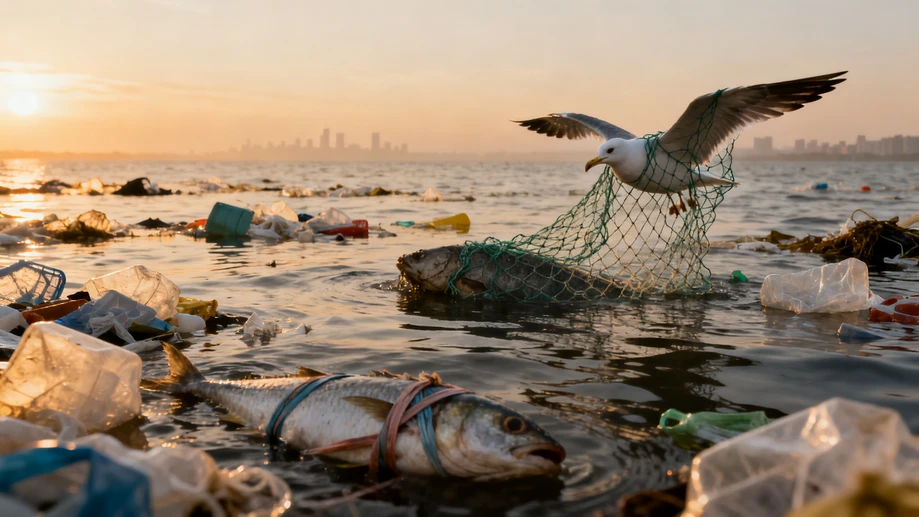
Second, marine life is paying a devastating price. Plastic debris entangles and kills over 100,000 marine animals yearly, including sea turtles, dolphins, and seabirds. But it's not just the visible trash—microplastics are ingested by fish, mistaking them for food, which leads to starvation, reproductive issues, and population declines. Coral reefs, vital for ocean health, are smothered by plastic, reducing biodiversity by up to 89% in affected areas. This ripple effect hits humans hard: fisheries collapse means less seafood on our tables, and contaminated species can pass toxins to us. A recent report highlighted how plastic chemicals mimic hormones in animals, causing genetic changes that threaten entire species. The irony? Plastic was designed for convenience, yet it's creating a slow-motion extinction event. By protecting marine ecosystems, we safeguard our own survival.
Third, the economic toll is staggering, costing billions globally. Coastal tourism suffers as polluted beaches deter visitors; for example, popular destinations like Bali have seen revenue drops of 30% due to plastic waste. Fisheries lose income from damaged gear and reduced catches, while cleanup efforts drain public funds—governments spend over $13 billion annually on waste management. But the hidden costs are worse: microplastics in soil affect agriculture, reducing crop yields and increasing food prices. In developing nations, plastic clogs drainage systems, worsening floods and health crises. The global economy could lose up to $2.5 trillion by 2050 if plastic pollution isn't curbed. This isn't just an environmental issue—it's a financial one that hits household budgets. Solutions like recycling and waste reduction can save money, but they require collective effort to turn the tide.
Fourth, innovative solutions offer hope, from biodegradable plastics to AI-powered cleanups. Scientists have developed plant-based alternatives that decompose in months, not centuries, and startups are using drones to map and remove ocean trash. In the Netherlands, a "plastic-eating" enzyme breaks down waste naturally, while community projects turn recycled plastic into roads and buildings. These breakthroughs are scalable and affordable; for instance, a simple beach cleanup can remove tons of plastic with volunteer help. The key? Global collaboration: countries like Kenya have banned single-use plastics, and international treaties aim to reduce production. By embracing these technologies, we can cut plastic waste by 80% in a decade. It's proof that human ingenuity can outpace pollution, turning a crisis into an opportunity for sustainable growth.
Fifth, your daily choices hold immense power to drive change. Start small: swap plastic bottles for reusable ones, avoid single-use bags, and support brands using eco-friendly packaging. Collective actions, like joining local cleanups or advocating for policies, amplify impact—when millions reduce plastic, it slashes demand and inspires innovation. Remember, every piece of plastic avoided is a step toward cleaner oceans and healthier lives. The future isn't set in stone; with awareness and action, we can reverse this crisis. Let's rethink, reduce, and restore—because together, we hold the key to a plastic-free world.