
Your Recycling Bin Might Be Hurting the Planet More Than Helping!
Unveiling the surprising mistakes that turn eco-friendly efforts into environmental disasters
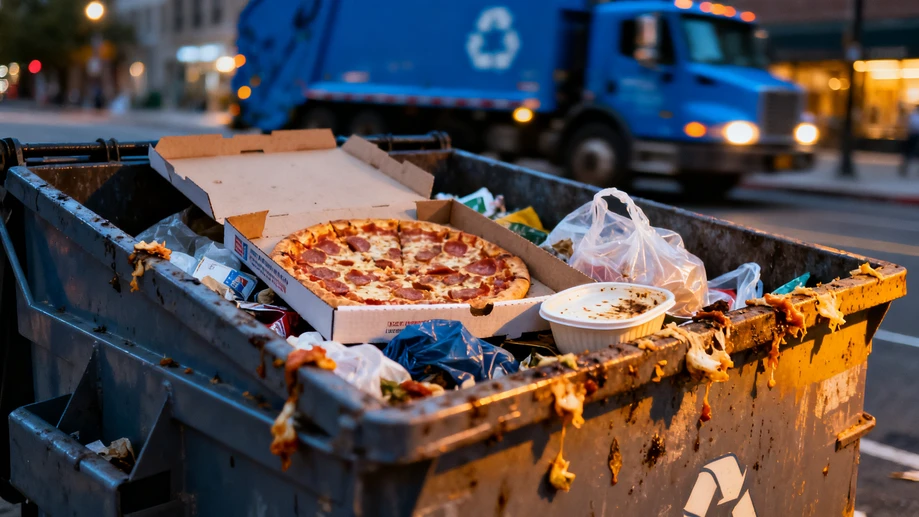
Picture this: you diligently rinse a spaghetti sauce jar, flatten cardboard boxes, and separate plastics from trash. But that stained pizza box you tossed in the blue bin last Friday? It just contaminated an entire truckload of recyclables, sending tons of potentially reusable materials straight to the landfill. Across the globe, well-intentioned citizens are unknowingly committing "wishcycling"—tossing non-recyclable items into bins hoping they'll magically be processed. A recent international study revealed that contamination rates in curbside recycling programs hover between 20-25%, costing municipalities millions in extra sorting fees and equipment damage. The irony is profound—our attempts to rescue resources often end up burying them under mountains of garbage instead.
Common recycling blunders resemble a tragic comedy of errors. Greasy food containers transform paper fibers into useless pulp during processing, while plastic bags jam conveyor belts at sorting facilities, causing hourly shutdowns. Batteries and electronics? They occasionally ignite fires in recycling plants. Even "compostable" cutlery confuses systems designed for rigid plastics. The problem escalated during the pandemic when disposable PPE flooded bins, with 65% of recycling facilities reporting increased glove and mask contamination. "People treat recycling bins like guilt-free black holes," remarks Dr. Lena Torres, a circular economy researcher. "But one coffee cup lid can derail a whole batch—like dropping a rotten apple into a fruit salad."
Contamination sets off a chain reaction of environmental damage. When paper goods are speckled with food residue, they’re deemed unrecoverable and shipped to incinerators, releasing toxins into the air. Plastic films tangled around machinery increase processing time by 30%, requiring extra diesel fuel for trucks stuck at facilities. Developing nations receiving exported recyclables often discard contaminated loads illegally, poisoning waterways with chemical runoff. The economic toll is equally staggering: New York City spends $1.2 million annually just extracting plastic bags from recyclables, while Australia’s contamination crisis has doubled waste management costs since 2018.
The solution lies in becoming "recycling snipers" rather than "wishful pitchers." Start by checking local rules—recycling standards vary wildly between cities. Rinse containers until no food traces remain; a quick swish of water saves energy equivalent to powering a lightbulb for 3 hours. Keep plastic bags and wrappers out of curbside bins—most supermarkets collect them separately. When in doubt, throw it out! "Better one item in landfill than contaminating 100 recyclables," advises waste auditor Marco Jensen. Apps like RecycleRight and municipal hotlines provide real-time guidance, turning guesswork into precision. Even small adjustments—removing bottle caps or flattening boxes—boost processing efficiency by 40%.
Municipalities are fighting back with clever countermeasures. San Francisco introduced "Oops" tags on bins with errors, educating residents through personalized feedback. Japan’s Kamikatsu township requires citizens to sort waste into 45 distinct categories—achieving an 80% recycling rate. Meanwhile, Sweden’s automated facilities use infrared lasers to detect and eject contaminants mid-process. The most promising innovation? "Trashless" packaging initiatives like Loop, where companies deliver products in reusable containers collected at your doorstep—think milkman model meets 21st-century sustainability.
Ultimately, recycling’s success hinges on recognizing it as a delicate industrial process, not magic. Every yogurt cup we properly clean or broken toy we responsibly discard adds up. When Boston reduced contamination by just 5%, it saved enough energy to power 1,200 homes annually. "We’re not asking people to be perfect," says Torres, "but mindful. The planet doesn’t need heroes—it needs competent recyclers." As global waste volumes threaten to increase 70% by 2050, transforming our blue bins from eco-villains to genuine green allies has never been more urgent or achievable.