
Did you know the scraps left from your daily breakfast can power your smartphone for a full day?
This down-to-earth popular science guide unpacks the underrated domestic biomass new energy that hides in plain sight in almost every household, with zero fancy tech jargon to confuse casual readers.
Most people’s perception of new energy stops at the large wind turbines standing on distant hills, the glossy solar panels fixed on rooftops, or the public charging piles scattered along city roads. Very few of us would connect the mushy banana peel you peel off while eating toast in the morning, the wet coffee grounds you dump out of your French press, or the eggshells you toss into the trash after making scrambled eggs with the energy that runs your personal electronics. We have long considered these food scraps nothing more than useless waste that stinks if left unprocessed for a day, but the mature, widely tested new energy technology of domestic biomass conversion has already turned this long-held assumption upside down, and the application of this technology has quietly reached many ordinary communities across the world in the past three years.
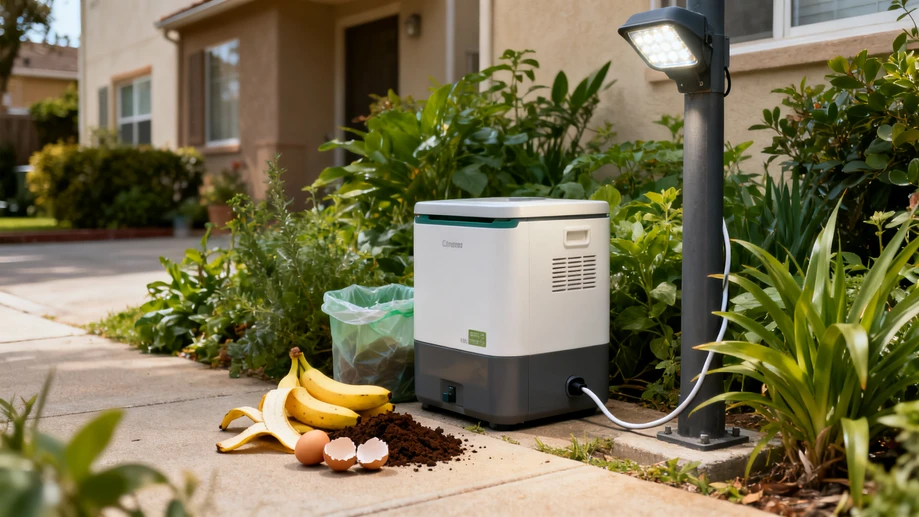
The core logic behind this seemingly magical energy conversion is surprisingly simple. Different from the old open burning method of processing organic waste that produces heavy smoke and harmful fumes, the modern household and community level biomass fermentation device is a fully sealed, temperature-controlled small container the size of a standard household microwave oven. Users only need to dump sorted food scraps into the designated feeding port every two or three days, and the natural microbial colonies stored inside the device will break down the organic waste in an oxygen-free environment, produce clean biogas that can be directly converted into electricity, and leave no unpleasant odour leaking out to affect the surrounding living environment. A regular home model of this kind of device can process up to 3 kilograms of kitchen scraps every week, and the electricity it generates is enough to fully charge an average smartphone 12 times, or keep three 5-watt LED corridor lights running nonstop for 72 hours.
Many pilot communities in different countries have already installed larger shared versions of these biomass energy devices in their garbage disposal zones. Residents only need to sort their kitchen scraps into the dedicated green bin marked for organic waste, and the cleaning staff will transport the collected scraps directly to the shared fermentation device, without extra long-distance transportation to a centralised waste treatment plant. The electricity generated by these community-level devices is usually used to power public street lights, garden sprinkler systems, and the shared mobile power stations placed at the community entrance. Multiple trial data from pilot projects in southern China show that a mid-sized community with 800 households can generate over 120 kWh of extra clean electricity per month through this system, which covers 100 percent of the energy demand of all public lighting facilities in the neighbourhood, cutting the community’s public electricity bill by nearly 30 percent every month. The solid residue left after the fermentation process is completely non-toxic and rich in organic nutrients, so the property management team usually packs it into small paper bags and gives them out to residents for free as flower fertilizer for their balcony potted plants.
This widely applicable new energy solution is far more eco-friendly than most people’s imagination. If you throw kitchen scraps into a regular landfill, the organic waste will also decompose naturally and produce methane, a greenhouse gas 28 times more effective at trapping heat than carbon dioxide, and most of this methane will leak directly into the atmosphere without any collection or utilisation. The enclosed fermentation devices used in civilian biomass systems collect 100 percent of the biogas produced in the decomposition process, convert the energy into usable electricity, and reduce the methane emission from organic waste disposal to nearly zero. You do not need any professional technical knowledge to participate in this new energy practice, you only need to spend 10 extra seconds every time you throw out your food waste, sort the scraps into the right category, and you can make a tangible contribution to local carbon reduction efforts without spending any extra money or effort.
New energy is never a faraway concept that only exists in industrial parks or large-scale power generation bases. It does not require you to install tens of thousands of yuan worth of solar panels on your rooftop, or buy a brand new electric vehicle to be counted as a participant. It hides in every small, trivial detail of your daily life, from the leftover orange peel you do not want, to the used tea leaves you pour out after making a cup of hot tea. The popularisation of this civilian biomass energy technology is breaking the old stereotype that new energy must be grand and expensive, and letting every ordinary person see that small, daily habits can add up to a huge positive impact on the environment, and the clean energy we need for a sustainable future can be created right outside the door of our own communities.