
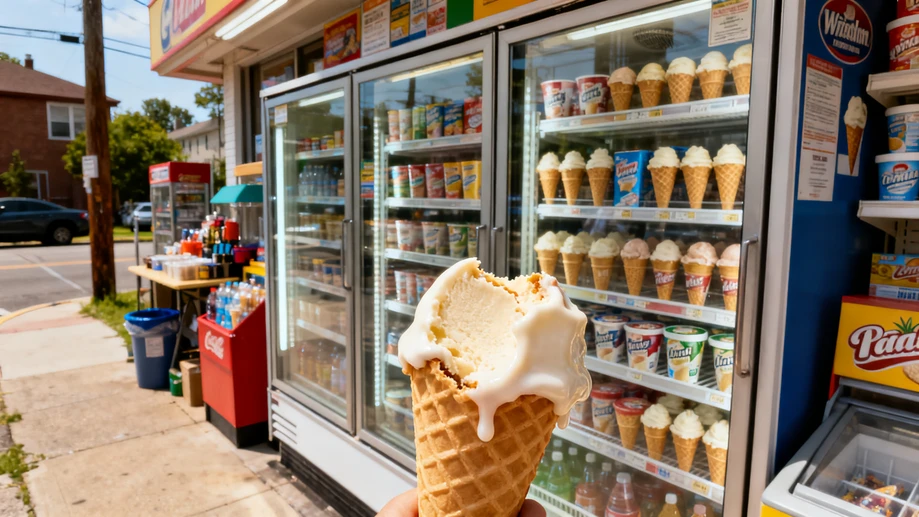
Have You Noticed Your Go-To Affordable Vanilla Ice Cream Tastes Different These Days?
The tiny shift in the texture and flavor of your regular summer treat is far from a random quality control mishap, it is one of the most relatable, unspoken side effects of slow, steady climate change that touches every part of your weekly grocery run.
If you have lived in the same city for more than ten years, you probably have a very specific summer memory tied to a cheap vanilla ice cream you could grab for less than three dollars at the corner store. You remember digging a spoon into the first bite right after you got home from school or a long afternoon walk, the rich, smooth milk fat coating your tongue, barely any sharp ice crystals to break the soft, creamy mouthfeel, and that distinct sweet, warm vanilla scent that lingers in your throat for minutes after you finish. If you buy that exact same product from the exact same brand today though, you will almost certainly catch obvious differences: the texture is far icier, it melts down into a sticky watery puddle in less than two minutes even on a mild 28 degree day, the vanilla scent is faint, and the milky richness you remembered has been replaced by a lighter, blander taste you cannot quite place. Most people blame manufacturers for cutting corners to save costs, but the root of this quiet change runs far deeper than corporate profit margin adjustments.
The vast majority of the world’s natural vanilla supply comes from small family farms on the east coast of Madagascar, which produces more than 80 percent of the global vanilla bean stock every year. Over the past seven years, that region has seen a 37 percent increase in unseasonal cyclones, random weeks of extreme 40 degree plus heat in the middle of the usual mild growing season, and erratic rainy seasons that either drown the vanilla vines or leave them without water for months on end. Average vanilla bean yields per hectare have dropped by almost 42 percent since 2018, and even the beans that do get harvested have much weaker flavor compounds than they did a decade ago. The same pattern applies to the butter that gives ice cream its creamy texture: dairy cows produce far less high-fat milk when they are exposed to prolonged summer heat waves, and the milk fat content in standard mass market milk supplies has dropped by 3 percent in most temperate dairy producing regions over the past decade. To keep their ice cream priced the same for regular customers, manufacturers have had no choice but to swap a portion of the milk fat for cheaper vegetable-derived fats, reduce the amount of real vanilla extract in the formula, and add more water to make up for the missing volume, which is exactly what creates all those extra tiny ice crystals when the product is stored in standard home freezers.
These small, almost invisible changes are not limited to ice cream, and you have almost certainly experienced dozens of them without connecting the dots back to shifting global weather patterns. The sweet basil you keep on your kitchen windowsill that used to grow so fast you could cut a handful of leaves every week for pasta now regularly gets burnt crispy edges even when you give it the exact same amount of water and sunlight you did five years ago. The fresh lemon grass that used to add a sharp, bright zing to your takeout Thai curries tastes noticeably muted these days, and local grocery stores keep raising the price of fresh limes every single summer without explanation. For decades, most public messaging around climate change focused on distant, dramatic scenarios: polar bears stranded on melting sea ice, small island nations disappearing under rising sea levels, record-breaking hurricanes hitting faraway coastal cities. People never expected to feel the effects of that global shift in their own kitchen, on the tip of their tongue, for less than five dollars at the local convenience store, but that is exactly how gradual climate change works: it does not arrive with one single catastrophic event for most of us, it seeps into the tiny, unremarkable details of our daily lives one small shift at a time.
You do not need to make huge, dramatic lifestyle overhauls to adapt to these gentle, ongoing shifts in the world around you, and no one is asking you to give up all your favorite summer treats or spend thousands of dollars on fancy eco-friendly home products. The most effective small changes almost all come from paying closer attention to the world right outside your own front door. Notice when the old pear tree outside your apartment building that used to ripen fruit in mid-August now only bears ripe pears at the end of September, swap out the water-hungry tropical houseplants that keep dying on you for native succulents that thrive in the new, warmer local summers, and choose locally grown, in-season produce more often when you go grocery shopping, instead of grabbing fruits and vegetables that were shipped thousands of kilometers across oceans in refrigerated trucks. All of these small, low-effort adjustments add up, not just to cut down on your personal carbon footprint, but to help you build a life that is far more resilient to all the tiny unexpected shifts that are going to keep popping up in the years ahead.
Next time you unwrap your usual cheap vanilla ice cream on a hot summer day, and you notice that it does not taste exactly the way you remembered it from your childhood, do not get too frustrated at the brand that makes it. The farmers growing the vanilla beans half a world away are just as confused by the weird new weather patterns as you are, the dairy farmers caring for their herds through longer and hotter heat waves are doing their best to keep their milk supply steady, and the food scientists adjusting the ice cream formula are just trying to keep a cheap, accessible summer treat on the shelves for people who cannot afford expensive premium desserts. Climate change is not some abstract, distant political debate that only happens in international summits, it is the faint difference in the taste of your ice cream, the slightly longer time it takes for your houseplant to grow, the slightly higher price tag on the basket of strawberries at the grocery store. These tiny, daily connections are the best reminder you can get that you are not separate from the natural world around you, every small choice you make ripples out far beyond your own front door.