
5 Natural Phenomena That Make Scientists Scratch Their Heads
Earth's most baffling spectacles that defy simple explanation
Our planet constantly performs magic shows that leave even seasoned researchers bewildered. From frozen sculptures that pierce the sky to electrical storms inside volcanic plumes, these phenomena transform ordinary landscapes into scenes from fantasy novels. Yet every bizarre occurrence follows nature's precise laws, waiting for curious minds to decode its secrets. These marvels remind us that reality often outshines imagination, turning backyard observations into global scientific puzzles that challenge our understanding of physics and geology.
High in the Andes, fields of icy blades called Penitentes stand like frozen sentinels. These natural sculptures form when sunlight hits snow unevenly, creating pits that deepen into spikes reaching 15 feet tall. Spanish explorers named them "penitents" for their resemblance to hooded monks bowing in prayer. The eerie formations occur only under specific conditions: high altitude, low humidity, and intense sunlight that vaporizes snow without melting it first. Scientists suspect similar structures might even exist on Jupiter's moon Europa.
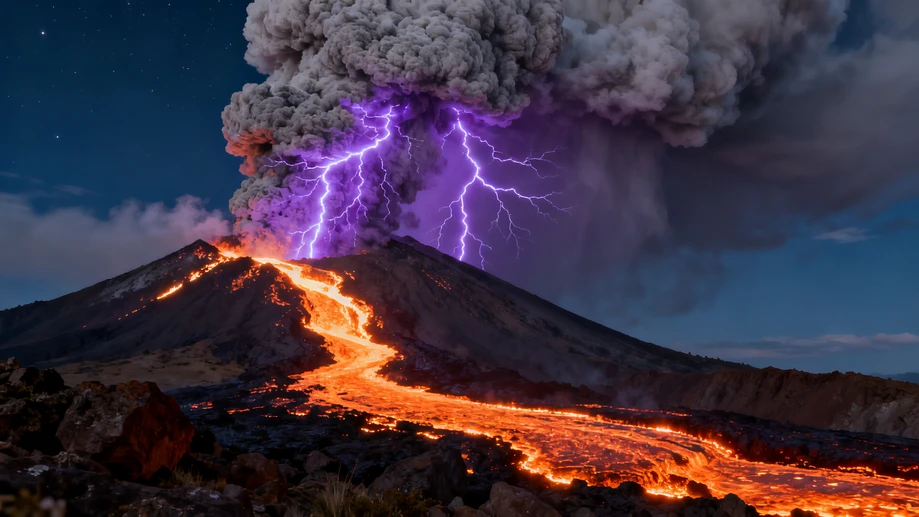
When Chile's Calbuco volcano erupted in 2015, photographers captured a scene resembling Armageddon: lightning bolts dancing within the ash cloud. Volcanic lightning occurs when colliding ash particles generate static electricity during explosive eruptions. Unlike thunderstorm lightning that travels cloud-to-ground, these electrical discharges crackle through the turbulent plume itself. Researchers now deploy special sensors near active volcanoes, hoping to predict eruptions by monitoring the sparks flying inside these geological pressure cookers.
Beneath Antarctic sea ice, deathly fingers creep downward with lethal beauty. Brinicles form when super-cold brine drains from forming ice, creating descending tubes of freezing saltwater that instantly encase sea creatures in ice tombs. Marine biologists call them "ice stalactites of death" for their ability to freeze starfish and sea urchins in suspended animation. These underwater icicles demonstrate how salt concentration manipulates freezing points, creating ephemeral frozen fountains that collapse within hours.
Imagine clouds that look like upside-down bubble baths. Mammatus clouds hang like pouches beneath thunderstorm anvils, their ominous appearance often signaling severe weather. Contrary to their threatening look, these clouds form when cold air sinks through warmer layers, creating distinctive udder-shaped formations. Aviation experts carefully study them because the turbulent air within mammatus clouds can turn smooth flights into rollercoaster rides. Their cotton-ball texture has inspired everything from Renaissance paintings to sci-fi movie backdrops.
For centuries, sailors told tales of glowing orbs dancing on ship masts during storms. Ball lightning remains nature's most elusive light show - grapefruit-sized spheres that float through walls or vanish with explosive pops. A 2014 Chinese research team accidentally recorded one during a thunderstorm: a glowing ball that drifted 15 feet before fading away. Current theories suggest microwave radiation or silicon vapor combustion might create these short-lived plasma spheres that continue to evade laboratory reproduction despite thousands of documented sightings.