
Did You Notice Climate Change Is Already Sneaking Into Your Weekly Grocery Run?
Small unassuming shifts in your regular errands that directly tie to shifting global weather patterns are far more relatable than distant disaster headlines.
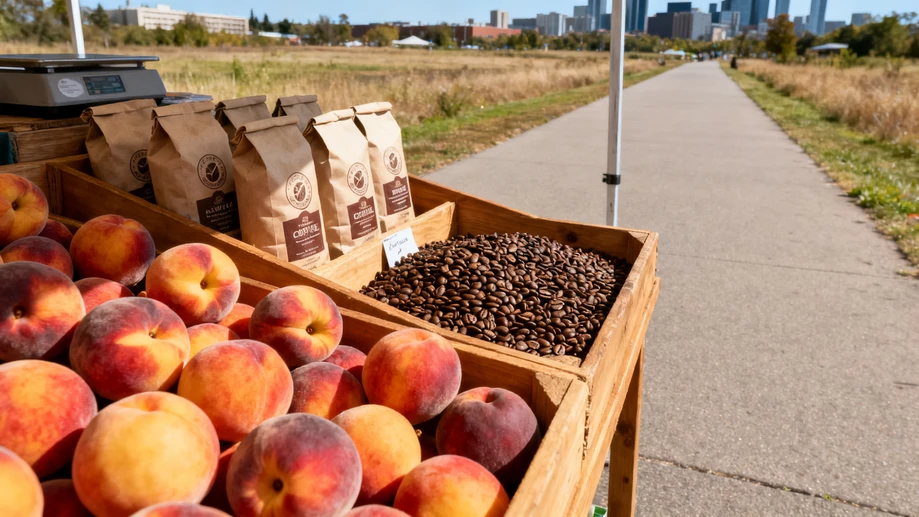
Last month, you walked into the local produce shop you have visited every weekend for 12 years, fully expecting to grab a 2-pound bag of the sweet, sun-ripened yellow peaches that the family farm 40 miles west of town has been selling every mid-July for as long as you can remember. The shop owner shook his head and pointed to a small stack of imported peaches from southern Chile, marked 35 percent higher than the local version used to cost. He explained that three unexpected late spring freezes this year wiped out nearly 60 percent of the peach blossom buds across the entire local growing region, and the imported stock cost far more than usual because shipping lines added surcharges for rerouting around two unseasonably powerful Atlantic tropical storms that crossed usual trade lanes far earlier than official seasonal forecasts predicted. You might have written the price hike off as a normal side effect of general inflation, but this tiny shift in your usual snack lineup is one of thousands of small, almost invisible changes that climate change has brought to your day to day life over the past decade.
If you are a regular specialty coffee drinker, you may have noticed that your go-to medium roast from a small Colombian family farm tastes just a little tarter, a little less rich in its usual chocolate and caramel notes, than it did three years ago. Your local roaster probably mentioned that they had to adjust their blend ratio three times last year to keep the flavor as consistent as possible, but few explain the full context behind the shift: average temperatures in most traditional coffee growing regions across the global tropics have risen 1.1 to 1.4 degrees Celsius in the past 15 years, pushing viable coffee growing zones 200 to 300 meters higher up mountain slopes every three years. The small coffee farms you used to support are now being forced to rip out their old coffee bushes to plant more heat resistant citrus crops at lower elevations, and many of the heirloom coffee varieties that defined your favorite daily brew are slowly disappearing from commercial supply chains. What once felt like a fixed, predictable part of your morning routine has become a moving target, adjusted year to year to adapt to shifting weather patterns most people assume are only a problem for communities thousands of miles away.
You might also have noticed tiny shifts during your weekend outdoor walks or dog park trips that never made it to local news headlines. The thick wild blackberry thicket along the banks of the small creek on your favorite local hiking trail once produced buckets of plump, sweet berries every mid-August for you to pick and turn into homemade jam, but for three years running, sudden unexpected heavy summer thunderstorms have flooded the creek bank right as the berries were ripening, knocking 90 percent of the fruit off the bushes before they are ready to harvest. Local park rangers have also put up new small warning signs for invasive red imported fire ants along the lower trail sections, a pest that no one in the region saw as a threat as recently as 2015. Mild, nearly frost-free winters over the past six years have let the non-native ants spread 12 miles further north every 12 months, with no natural cold snap deep enough to kill off their underground colonies like they used to every other January. These small changes do not look like dramatic, apocalyptic scenes of raging wildfires or flooded cities, but they chip away at the small, familiar joys that you have grown to take for granted year after year.
Even the mundane, regular bills you pay every month hold quiet signs of these shifts that most people never connect to global climate trends. Your local gas station used to roll out its winter blend gasoline in late November, after the first consistent light frost settled across the region, but in the past three years, they have had to stock the winter formulation as early as the first week of October, because wildly fluctuating autumn temperatures often swing from 28 degrees Celsius down to just below freezing in 12 hours, putting regular summer blend fuel at risk of freezing in exposed vehicle fuel lines. This extra early production and supply chain shift adds roughly 12 to 15 cents to every gallon of gas, a cost that drivers absorb without questioning the root cause. Your household energy bills also carry these hidden extra costs: last summer, a 22-day stretch of consecutive 38-plus degree temperatures that no weather model predicted 10 years ago forced most local households to run their air conditioning for 16 or more hours a day, pushing summer electricity bills up an average of 42 percent across the region, while an unheard-of 10-day deep freeze last January pushed residential natural gas heating bills up 51 percent compared to the same period a decade prior. The average middle class household in North America now pays an extra 900 to 1200 dollars a year in these hidden climate related surcharges, added to grocery costs, utility bills, transportation fees and home repair costs from unexpected storm damage, all without most people ever realizing why their regular monthly budgets feel tighter than they did 10 years ago.
The greatest mistake most people make when thinking about climate change is assuming it will only show up as huge, dramatic, once-in-a-lifetime disaster events that interrupt their entire lives. In reality, 90 percent of the impacts will creep in slowly, through tiny, barely noticeable shifts to the small routines that make up most of your life: the way your favorite fruit tastes, the price of your morning coffee, the path of your favorite weekend hike, the small extra line items on your monthly bills. You do not have to fly to the Arctic to see melting glaciers or travel across the world to visit a drought stricken farm to understand what is happening. These small daily signs are all around you, and once you start noticing them, you will also start seeing the small, easy daily choices that can add up to slow these shifts down: shopping for in-season produce from local small farms that are already adapting their growing practices to shifting weather, swapping out old incandescent light bulbs for far more energy efficient LED units, carpooling or taking public transit one extra day a week, and planting native wildflowers in your backyard that support local pollinator species struggling to adapt to shifting bloom schedules. None of these are grand, dramatic gestures, but they are all far more meaningful, and far more accessible, than any distant policy debate you might see on the evening news.