
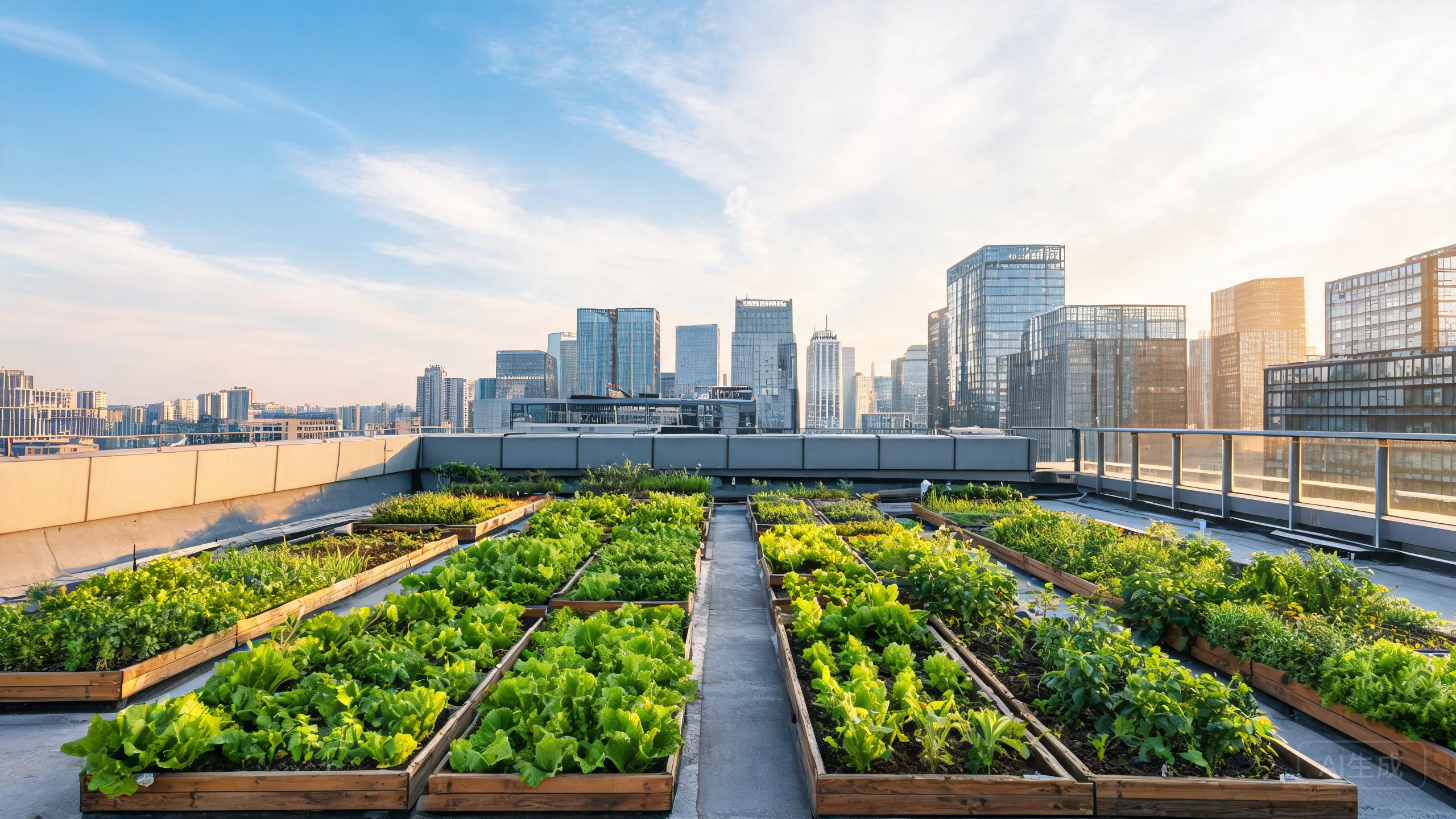
Why Urban Rooftop Farms Are Quietly Outproducing Traditional Agriculture in 2026
A new wave of community rooftop farms in dense city centers is producing more food per square meter than traditional rural farmland, and the reasons have nothing to do with fancy technology
If you walked through the Brooklyn neighborhood of Greenpoint this past July, you might have noticed something unusual happening on top of a six-story apartment building. Not a rooftop bar, not a trendy lounge, but rows of tomato plants, climbing beanstalks, and leafy greens swaying in the summer breeze, tended by a group of residents who just a year ago had never grown anything more ambitious than a windowsill basil pot. This rooftop farm, covering just 4,200 square feet, produced over 1,800 pounds of fresh vegetables in its first full growing season, outpacing the yield per acre of most commercial rural farms in the surrounding region. This is not an isolated experiment, it is part of a quiet agricultural revolution that has been spreading across rooftops in cities from Detroit to Berlin to Seoul, and the latest harvest data from 2026 confirms that these small urban plots are consistently matching or exceeding the productivity of farmland that has been farmed professionally for generations.
The secret behind this unexpected productivity gap comes down to a combination of factors that most people would never associate with farming. The first is microclimate. Urban rooftops are warmer than surrounding rural areas due to the urban heat island effect, which means the growing season on a city roof starts two to three weeks earlier in spring and extends two to three weeks later into fall. That extra month of growing time alone gives rooftop farms a significant yield advantage over their rural counterparts in the same latitude. Additionally, the reflective light bouncing off surrounding glass buildings supplements direct sunlight, giving plants the equivalent of partial shade greenhouse conditions without any infrastructure cost. A study tracking 12 rooftop farms across New York, Chicago, and Toronto found that these combined light and temperature advantages translated to a 35 to 60 percent higher yield per square meter compared to equivalent crops grown in rural fields in the same climate zone.
The second factor is soil, or more precisely, the lack of it. Most rooftop farms use shallow raised beds filled with a custom blend of compost, coconut coir, and vermicompost that is far more nutrient-dense than the average rural topsoil, which has been depleted by decades of conventional monoculture farming. The controlled soil environment means plants face less competition from weeds, fewer soil-borne diseases, and a precisely calibrated nutrient supply that eliminates the feast-or-famine cycles that plague traditional agriculture. Water is delivered through simple drip irrigation systems connected to building rainwater collection systems, reducing water usage by up to 80 percent compared to overhead sprinkler irrigation used on most conventional farms. The result is that a rooftop tomato plant produces roughly twice as many pounds of fruit per plant as a field-grown equivalent, and leafy greens like kale and Swiss chard can be harvested on a cut-and-come-again basis every 10 days throughout the entire extended growing season.
Perhaps the most surprising part of this trend is who is actually doing the farming. The vast majority of these rooftop operations are not run by agricultural companies or tech startups with vertical hydroponic systems, but by loose collectives of 15 to 40 building residents who share the work and the harvest. A typical arrangement works like this, one resident with some gardening experience acts as the coordinator, the building owner or management company provides roof access and a small budget for soil and seeds in exchange for a portion of the harvest being shared with other tenants, and everyone else contributes two to four hours of work per month in exchange for weekly take-home bags of fresh produce. The social dynamics of these small communities turn out to be one of the biggest advantages, when someone notices a pest problem or a nutrient deficiency, it gets addressed within hours rather than days, and the constant foot traffic of multiple people checking on the plants creates a level of observational care that no commercial farm worker rushing through a 200-acre field can match.
The economic picture is equally compelling. A typical rooftop farm of 3,000 to 5,000 square feet requires an initial investment of around $3,000 to $6,000 for raised bed materials, soil mix, seeds, drip irrigation components, and basic tools. At current organic produce prices, the value of the annual harvest from that same space ranges from $8,000 to $15,000, meaning the setup pays for itself within the first growing season. For building owners, the secondary benefits are even more attractive, the green roof reduces building cooling costs by 15 to 25 percent in summer, extends the lifespan of the underlying roof membrane by shielding it from UV degradation and thermal cycling, and in many cities qualifies for stormwater management fee credits that can save thousands of dollars annually. Several major cities including Boston, Amsterdam, and Singapore have started offering direct grants and expedited permitting for buildings that commit to rooftop food production, which has accelerated adoption dramatically in the past 18 months.
The ripple effects of this movement extend well beyond the food itself. Neighborhoods with active rooftop farms report stronger social cohesion, as people who previously only nodded at each other in the elevator now work side by side harvesting cherry tomatoes on Saturday mornings. Children growing up in these buildings are getting hands-on exposure to where food actually comes from, something that was previously missing entirely from the urban childhood experience. Surplus harvest is being donated to local food banks and community kitchens, creating a decentralized food redistribution network that operates without any government infrastructure or logistics cost. And perhaps most importantly for the long term, every rooftop that gets converted from bare black membrane to productive green space is a small but meaningful step toward counteracting the urban heat island effect that makes city summers increasingly dangerous. The 2026 data is still being compiled, but early estimates suggest that if just 10 percent of usable flat rooftops in mid-sized American cities were converted to food production, it would generate enough fresh vegetables to meet the entire fresh produce needs of those cities' populations, while simultaneously reducing urban temperatures by an average of 1.5 degrees Fahrenheit during peak summer months.